





On this page 11 sections
Maps in Dead By Daylight decide the outcome of matches before the first generator starts. A killer who dominates on Coal Tower can feel completely powerless on Raccoon City Police Station. A survivor team that chains loops effortlessly on Eyrie of Crows gets caught in dead zones on Shelter Woods within seconds. The map that loads in shapes chase length, generator defense, totem safety, hook access, and endgame potential more than any single perk or add-on either side can bring. Understanding which maps give you advantages and which ones work against you is one of the fastest ways to improve at the game.
This is not a ranking based on visual design or atmosphere. RPD looks incredible. Midwich has a horror aesthetic that fits the Silent Hill license perfectly. Neither of those things makes them good gameplay maps. This ranking evaluates every major Dead By Daylight map based on how it plays in actual matches at mid-to-high MMR, accounting for loop quality, generator spread, traversal efficiency, building strength, and overall balance between the killer and survivor roles. Every map is placed into a tier with specific reasons for its position.
The full ranking covers over 30 maps and map variants across every realm in the game. It includes quick-reference tables, tactical breakdowns for killers and survivors, perk selection advice by map type, and beginner-focused tips for players still learning how map knowledge translates into survival rate. Whether you play killer, survivor, or both, this guide gives you the specific information you need to play smarter on every map in the rotation.
Free Dead by Daylight tools: Theory-craft loadouts with our free Perk Builder, then compare the meta in our Killer Tier List and Survivor Tier List.
What Are Dead By Daylight Maps And Why Do They Matter?
Dead By Daylight maps are not just visual backdrops for chases. They are complete gameplay systems that determine how every interaction between killer and survivor plays out. Each map is built from a combination of fixed structures (main buildings, shack placements) and procedurally generated tile arrangements that change the exact layout every time a map loads. The tiles that spawn, the pallets that appear within those tiles, and the distance between generators all combine to create a unique tactical environment for every single match.
Map selection directly influences six core gameplay pillars. Chase length is determined by how many pallets spawn, how strong the loops around those pallets are, and whether survivors can chain from one safe structure to another without crossing dead zones. Generator defense depends on how spread out the seven generators are and whether a killer can patrol between them efficiently. Stealth viability changes based on line-of-sight blockers, grass density, and vertical structures that break the killer’s camera.
Totem pressure relies on whether hex totems spawn in visible or hidden locations, which varies dramatically between open outdoor maps and cluttered indoor ones. Hook pathing matters because killers need hooks within carry distance of every down location, and some maps have notorious dead zones where no hooks spawn. Endgame control shifts based on exit gate placement and whether the killer can patrol both gates from a central position.
Maps fall into three broad categories in terms of role balance. Killer-sided maps tend to be small, have weak pallets, limited loop connections, and tight generator clusters that enable efficient patrol routes. Survivor-sided maps are typically large, feature strong interconnected loops, powerful main buildings with multiple safe vaults, and spread generators that force killers to commit long rotations. Balanced maps offer counterplay for both sides, with readable tile layouts, mixed pallet quality, and structures that reward player skill rather than handing free advantages to either role. The best maps in the game fall into that third category. The worst maps create situations where one side has almost no chance, regardless of individual skill.
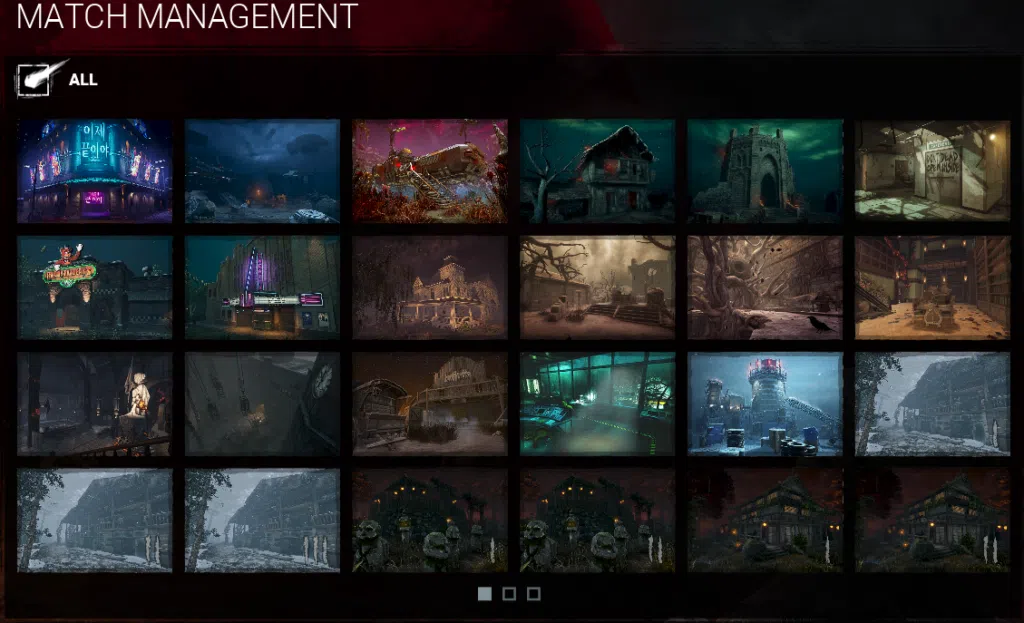
Dead By Daylight Maps Overview
Before ranking every map individually, it helps to understand the major archetypes. Dead By Daylight maps generally fall into five categories based on their size, layout style, and gameplay feel. Knowing which archetype a map belongs to tells you immediately what kind of match to expect and how to adjust your strategy.
| Map Type/Archetype | Typical Size | Survivor Safety | Killer Pressure | Common Weakness | General Difficulty |
|---|---|---|---|---|---|
| Small Indoor (The Game, Lery’s) | Small to Medium | Low to Moderate | High (stealth/ambush), Low (ranged) | Limited line of sight for both sides, confusing layouts | High for new players |
| Large Open (Red Forest, Rotten Fields) | Large to Very Large | High | Low without mobility | Generators too spread for effective patrol, long rotations | Moderate |
| Loop-Heavy Outdoor (Ormond, Eyrie of Crows) | Medium to Large | High | Low to Moderate | Strong interconnected loops, survivors can chain structures endlessly | Moderate |
| Tight Multi-Structure (Badham, Haddonfield) | Medium | Moderate to High | Moderate | Multiple strong buildings compete for killer attention, house loops | Moderate to High |
| Balanced Mid-Size (Coal Tower, Dead Dawg, Autohaven maps) | Small to Medium | Moderate | Moderate to High | Few major weaknesses, relies more on player skill than map layout | Low to Moderate |
Small indoor maps like The Game and Lery’s Memorial Institute collapse the normal chase dynamic. Line-of-sight breaks constantly, pallets are shorter and more frequent, and killers with stealth or ambush abilities gain enormous advantages because survivors cannot see them coming from a distance. However, ranged killers like Huntress or Deathslinger lose most of their power on these maps because hallways and walls block projectile paths. The indoor archetype creates the most polarized killer performance of any map type in the game. Indoor maps are also where camera settings matter most, which is why we wrote a separate guide to FOV and stretched resolution in Dead by Daylight.
Large open maps like Mother’s Dwelling in Red Forest or Rotten Fields in Coldwind Farm punish killers who lack mobility powers. A Trapper or Clown on Mother’s Dwelling has to walk massive distances between generators while survivors spread across the map and hold multiple gens simultaneously. Mobility killers like Blight, Nurse, and Hillbilly can partially offset the size disadvantage, but even they feel the pressure of a map that gives survivors too much space to work with. These maps are almost universally survivor-sided at high-level play.
Loop-heavy outdoor maps give survivors connected safe structures that extend chases far beyond what most killers can afford. Eyrie of Crows is the clearest example, with long walls and a powerful main building that lets a single survivor waste 60 or more seconds in a single chase. Ormond operates similarly, with strong window loops at the resort building and reliable pallet density across the rest of the map. These maps reward survivors who understand loop chaining and punish killers who commit to chases they cannot end quickly.
Tight multi-structure maps like Badham Preschool and Haddonfield feature multiple buildings with strong loops, forcing killers to deal with house-to-house traversal and survivors who use building transitions to extend chases. The reworked Haddonfield reduced some of the most oppressive window setups, but the fundamental structure of the map still gives survivors multiple safe zones to rotate between. Badham’s preschool building and surrounding houses create a similar dynamic where killers struggle to find quick downs.
Balanced mid-size maps represent the healthiest gameplay in Dead By Daylight. Coal Tower, Dead Dawg Saloon, and most Autohaven Wreckers maps offer loops that reward skill, generators that can be defended without requiring mobility powers, and sight lines that give both sides information to work with. These maps produce matches where the better team wins, which is exactly what good map design should accomplish.
What Makes A Dead By Daylight Map Good Or Bad?
Ranking maps requires a consistent set of criteria that accounts for every major gameplay factor. A map might have strong loops for survivors but also tight generator clusters that help killers. A map might be small enough for efficient patrol but also have a main building so powerful that one survivor can hold a chase for an entire gen’s worth of time. The best maps balance these factors. The worst maps have multiple factors stacked heavily in one direction.
| Ranking Factor | Why It Matters | Usually Helps |
|---|---|---|
| Map Size | Larger maps spread generators and increase rotation time, reducing killer pressure | Survivors (when large), Killers (when small) |
| Dead Zones | Open areas with no pallets or vaults where survivors are exposed and easy to down | Killers |
| Pallet Quality | Safe pallets (with walls on both sides) extend chases significantly more than unsafe pallets | Survivors (safe pallets), Killers (unsafe pallets) |
| Loop Chaining | The ability to transition from one loop to the next without crossing open ground | Survivors |
| Line-of-Sight Blockers | Walls, debris, and objects that break killer tracking during chases | Survivors (stealth), Killers (mindgame potential at short walls) |
| Main Building Strength | The central structure’s loop safety determines how much time one survivor can waste there | Survivors (strong building), Killers (weak building) |
| Verticality/Multi-Floor | Multiple floors create navigation confusion and affect hook pathing, gen tracking, and chase dynamics | Varies by killer power |
| Generator Spacing | Tight gen clusters allow efficient patrol; spread gens force long rotations | Killers (tight), Survivors (spread) |
| Hook Access | Hook dead zones force killers to carry survivors long distances, risking wiggles | Survivors (few hooks), Killers (many hooks) |
| Totem Placement | Exposed totems get cleansed immediately; hidden totems protect hex perks | Killers (hidden totems), Survivors (exposed totems) |
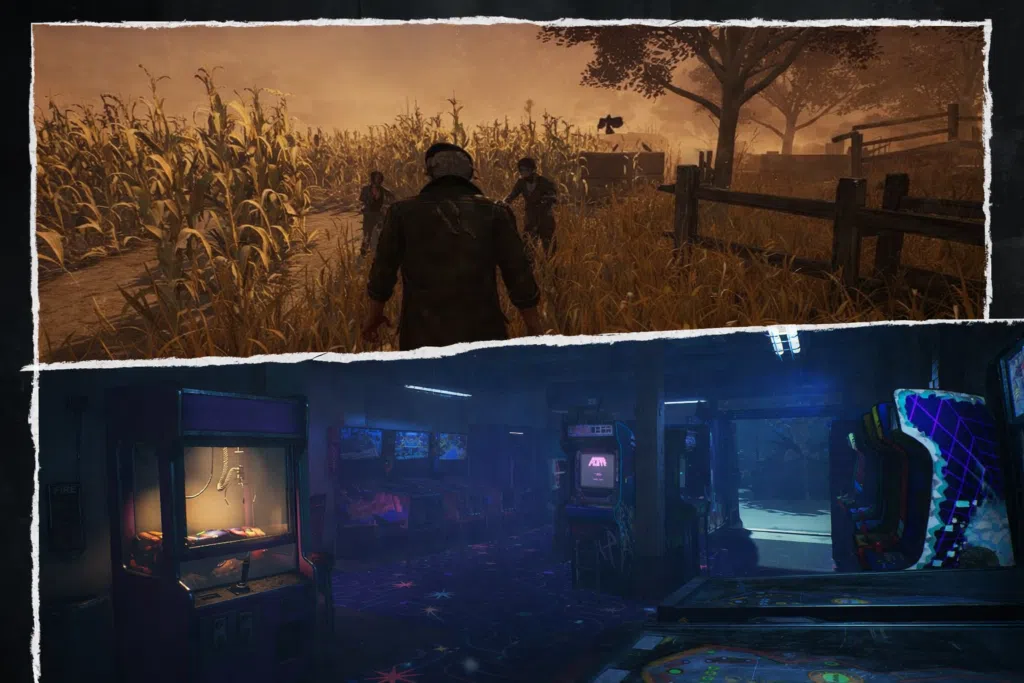
Map size is the single most impactful factor. A map that is too large gives survivors free generator progress because the killer physically cannot patrol all seven generators in time. Mother’s Dwelling, the largest map in the game by playable area, forces non-mobility killers into impossible situations where completing a single chase on one side of the map means losing two or three generators on the other side. Small maps like The Game compress the action and let killers maintain pressure across the entire generator spread.
Pallet quality and loop chaining work together to determine chase efficiency. A map with many pallets does not automatically favor survivors if most of those pallets are unsafe (short walls that the killer can lunge around without needing to break). The Game has the highest pallet count in DBD, but most of them are unsafe, making it surprisingly fair for killers who understand pallet economy. In contrast, Eyrie of Crows has fewer total pallets, but they connect to long walls and strong window loops, making each individual resource far more powerful.
Main building strength creates the biggest single-tile impact on a map’s balance. Garden of Joy’s main building has a house of pain loop with a strong window that turns one structure into a near-infinite time waste for killers who do not have an antiloop power. The Ironworks of Misery building has a strong window too, but the surrounding tiles are more exposed, giving killers options to zone survivors away from it. A main building that is too strong warps the entire map around it because smart survivors will always gravitate toward the safest structure available.
All Dead By Daylight Maps Ranked From Worst To Best
This ranking evaluates every major map and map variant in Dead By Daylight based on the criteria above. Maps are ordered from worst to best in terms of overall gameplay quality, taking into account the balance between roles, skill expression, and how consistently the map produces fair matches. The “Role Lean” column indicates which side the map generally favours at competent play. A map leaning survivor does not mean killers cannot win on it, but it does mean the map’s structure gives survivors more built-in advantages.
| Rank | Map | Realm | Role Lean | Core Reason |
|---|---|---|---|---|
| 38 | Raccoon City Police Station (East/West) | Raccoon City | Survivor | Massive indoor maze, terrible traversal, most killers lose powers |
| 37 | Midwich Elementary School | Silent Hill | Varies | Multi-floor confusion, awful hook pathing, frustrating for both sides |
| 36 | Garden of Joy | Withered Isle | Survivor | Oppressive main building, too many safe zones concentrated together |
| 35 | Eyrie of Crows | Forsaken Boneyard | Survivor | Long walls, strong main, interconnected loops, long chase times |
| 34 | Mother’s Dwelling | Red Forest | Survivor | Largest map in the game, impossible gen defense without mobility |
| 33 | Temple of Purgation | Red Forest | Survivor | Oversized with spread gens and strong central temple structure |
| 32 | Mount Ormond Resort | Ormond | Survivor | Strong resort building, high pallet quality, large size |
| 31 | Haddonfield | Lampkin Lane | Survivor | Reworked but still house-loop heavy, multiple safe buildings |
| 30 | Badham Preschool (I-V) | Springwood | Survivor | Strong house loops, preschool building, basement positioning |
| 29 | The Pale Rose | Backwater Swamp | Survivor | Awkward terrain, poor hook density, ship structure wastes killer time |
| 28 | Grim Pantry | Backwater Swamp | Slight Survivor | Uneven terrain, water slows traversal feel, hook dead zones |
| 27 | Rotten Fields | Coldwind Farm | Survivor | Corn concealment, large open areas, spread generators |
| 26 | Lery’s Memorial Institute | Lery’s Memorial | Varies | Indoor, favors stealth/ambush killers, cripples ranged killers |
| 25 | The Game (Gideon Meat Plant) | Gideon Meat Plant | Varies | Pallet-dense but mostly unsafe, multi-floor, favors trap/territorial killers |
| 24 | Disturbed Ward | Crotus Prenn Asylum | Slight Survivor | Mixed balance, decent loops, central building can be strong |
| 23 | Father Campbell’s Chapel | Crotus Prenn Asylum | Balanced | Smaller Crotus variant, more manageable size, fair pallet spread |
| 22 | Sanctum of Wrath | Yamaoka Estate | Slight Survivor | Decent loops with mindgame potential, fair rotations |
| 21 | Family Residence | Yamaoka Estate | Balanced | Readable layout, moderate loop strength, good building interaction |
| 20 | Fractured Cowshed | Coldwind Farm | Slight Survivor | Reworked corn loops, cowshed building still strong but manageable |
| 19 | Rancid Abattoir | Coldwind Farm | Balanced | Compact Coldwind variant, reasonable loop quality, decent gen spread |
| 18 | Thompson House | Coldwind Farm | Balanced | Good house structure, balanced tiles, moderate size |
| 17 | Torment Creek | Coldwind Farm | Balanced | Open areas mixed with fair loops, killer-friendly sightlines |
| 16 | Azarov’s Resting Place | Autohaven Wreckers | Balanced | Classic tile layout, long shape creates interesting patrol choices |
| 15 | Blood Lodge | Autohaven Wreckers | Balanced | Central building is readable, surrounding tiles are fair |
| 14 | Gas Heaven | Autohaven Wreckers | Balanced | Compact layout, gas station loop is interesting but not oppressive |
| 13 | Wretched Shop | Autohaven Wreckers | Balanced | Small, tight, good flow between tiles |
| 12 | Wreckers Yard | Autohaven Wreckers | Slight Killer | Smallest Autohaven variant, limited safe pallets, open |
| 11 | Shelter Woods | MacMillan Estate | Killer | Small, very open, few strong loops, dead zones everywhere |
| 10 | Suffocation Pit | MacMillan Estate | Balanced | Readable layout, mine entrance is interesting, fair tile mix |
| 9 | Groaning Storehouse | MacMillan Estate | Balanced | Compact, warehouse building is fair, good pallet economy |
| 8 | Decimated Borgo | Borgo | Balanced | Well-designed flow, good structure variety, rewards reading tiles |
| 7 | Shattered Square | Borgo | Balanced | Compact variant, good chase dynamics, balanced sightlines |
| 6 | Greenville Square | Borgo | Balanced | Strong map design with fair resource distribution |
| 5 | Ironworks of Misery | MacMillan Estate | Slight Survivor | Strong building window but fair surrounding tiles, good flow |
| 4 | Dead Dawg Saloon | Grave of Glenvale | Slight Killer | Tight, interesting loops, breakable walls matter, great sightlines |
| 3 | Coal Tower | MacMillan Estate | Balanced | Compact, readable, strong for both sides, excellent pacing |
| 2 | Suffocation Pit | MacMillan Estate | Balanced | Consistent layout quality, fair building, well-spaced resources |
| 1 | Coal Tower | MacMillan Estate | Balanced | Best overall balance in the game, skill-expressive, compact, fair |
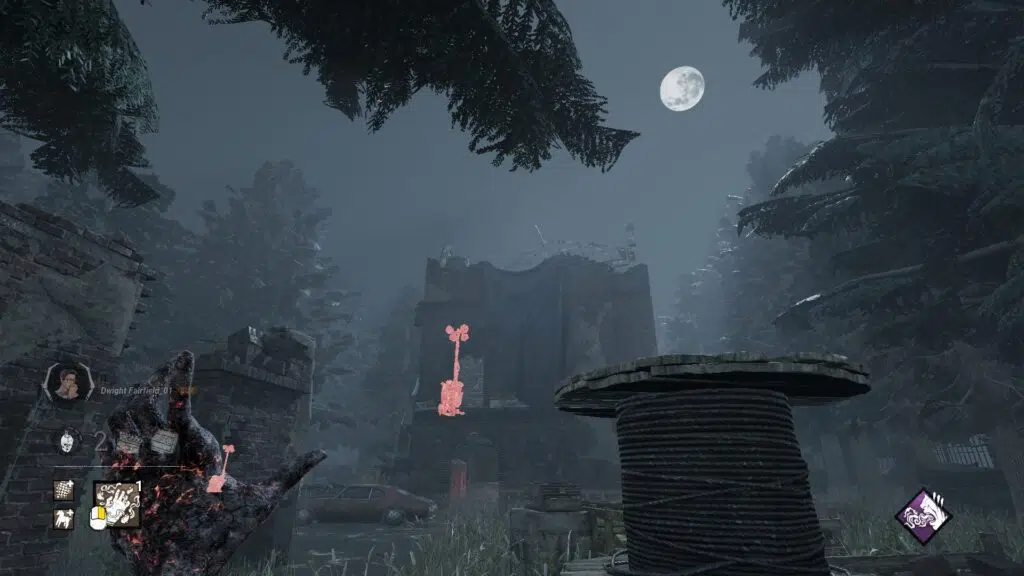
The ranking reflects the current state of the game after all map reworks through early 2026. Maps that received reworks (Haddonfield, Coldwind Farm maps, Borgo additions) are evaluated in their current form, not their legacy versions. Some maps that were once considered the worst in the game have improved substantially after reworks, while others that seemed fine at launch have aged poorly as the player base learned to exploit their weaknesses.
Lowest-Ranked Dead By Daylight Maps
The bottom tier of Dead by Daylight maps shares a common problem: they remove meaningful counterplay from one side of the match. These maps are not just unbalanced. They are poorly designed in ways that make matches feel predetermined based on the map that is loaded, rather than the skill of the players involved.
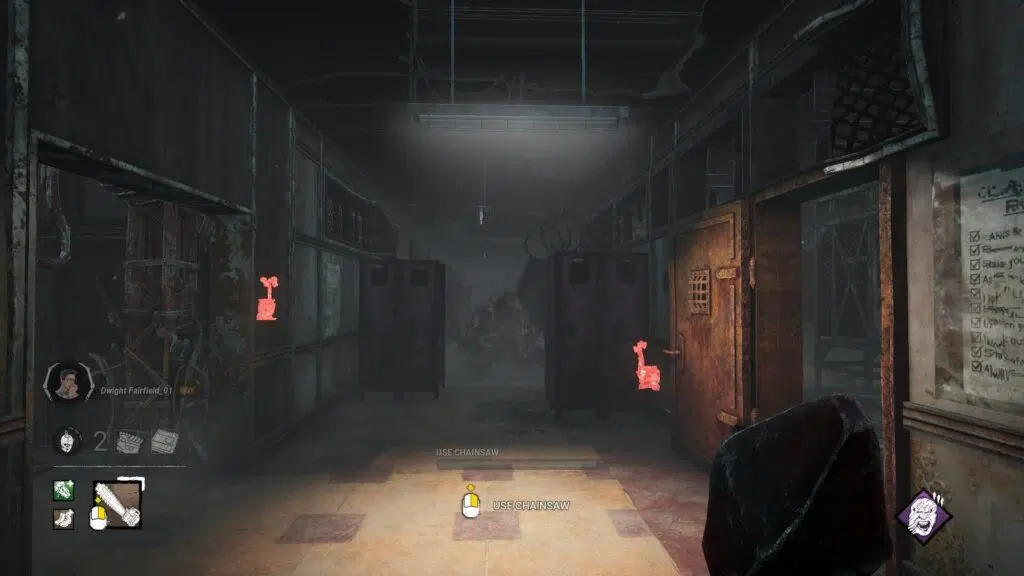
Raccoon City Police Station occupies the bottom position for reasons that go beyond simple balance. The map is the largest indoor map in the game, split into two variants (East and West wings) that each feature a sprawling multi-floor layout with narrow hallways, multiple locked doors opened by breakable walls, and a navigation complexity that actively punishes players who have not memorized the specific layout. Killers without movement abilities face traversal times between generators that can exceed 30 seconds through corridors, making it nearly impossible to apply consistent pressure. The library, main hall, and various office loops create chase environments where survivors can hold killers for extraordinary amounts of time. Even killers who can technically function indoors, like Wraith or Myers, lose efficiency because the map is simply too large and too complex to patrol effectively. The map was split into two variants specifically because the original combined version was universally considered the worst map experience in the game’s history.
Midwich Elementary School creates frustration for both sides, which is an achievement in bad map design. The two-floor layout means killers frequently hear generators being worked on directly above or below them with no efficient way to reach that floor without running to a staircase or dropping through specific holes in the floor. Hook spawns on Midwich are notoriously inconsistent, with entire sections of the map sometimes lacking a hook on the correct floor, forcing killers into long carries that result in wiggle-offs. Survivors deal with their own problems: the classroom loops are mostly unsafe, the hallways are narrow and easy for killers to zone, and the courtyard creates a dead zone that experienced killers exploit for quick downs. The result is a map that neither side enjoys playing on consistently, where the experience depends more on specific killer choice than player skill.
Garden of Joy earns its low ranking almost entirely because of its main building. The two-story house features a powerful loop with a vault that survivors can abuse to waste massive amounts of killer time. The garden area and surrounding tiles also provide strong resources, but the house is the real problem. A survivor who reaches the main building and understands the loop pattern can run a killer with no antiloop power for 40 to 60 seconds without spending a single pallet. The exterior tiles compound the issue with fences and structures that provide additional loop connections. The map forces killers to either avoid the main building entirely (ceding a large portion of the map to survivors) or commit to chases they mathematically cannot win against a competent survivor.
Eyrie of Crows rounds out the bottom tier with a layout designed around long walls and open sightlines that sound like they should help killers but actually benefit survivors enormously. The long walls connect to window loops and pallet structures in ways that let survivors chain resources across the map’s outer edges. The main building features multiple vault points and an elevated position that provides information about killer movement. The map’s size is large enough that generators on the outer edges are difficult to defend, and the central area lacks enough unsafe resources to give killers reliable down opportunities. Mobility killers mitigate some of Eyrie’s problems, but the map remains one of the most consistently survivor-sided experiences in the game for M1 killers (basic attack killers without chase powers).
Mid-Tier Dead By Daylight Maps
The mid-tier represents maps that function well enough but have clear strengths and weaknesses that shift based on which killer is in the match. These maps are where character selection matters most because the same map can feel killer-sided or survivor-sided depending on the specific killer power involved.
Lery’s Memorial Institute is the defining example of a killer-dependent map. Stealth killers like Myers, Ghostface, and Pig gain enormous advantages from the constant line-of-sight breaks and short hallways that let them approach survivors undetected. The Doctor, whose power reveals survivor locations through walls, also excels here because the small rooms concentrate his static field’s effectiveness. On the other hand, Huntress loses most of her hatchet angles, Deathslinger’s sightlines are constantly blocked, and Nurse’s blink has to navigate around walls that make standard blink distances unreliable. The same map produces completely different experiences based on nothing more than which killer loaded in.
The Game (Gideon Meat Plant) has the highest pallet count of any map in Dead By Daylight, which makes it sound like a survivor paradise. In practice, most of those pallets are unsafe short-wall pallets that killers can play around quickly. The two-floor layout creates interesting vertical dynamics where killers can track survivor movement through holes in the floor and use drop-downs for creative plays. Trap killers like Trapper and Hag excel here because chokepoints are limited and survivors are funneled through predictable paths. Territorial killers like Cenobite and Plague also perform well because the map’s compact size keeps generators within efficient patrol range. The map swings hard based on killer choice but provides enough resources for both sides to make the matchup feel interactive.
Crotus Prenn Asylum maps (Disturbed Ward and Father Campbell’s Chapel) represent middle-ground outdoor maps with one notable factor: the main building. Disturbed Ward is the larger variant with a central asylum structure that provides a strong loop when the window spawns in a favorable position. Father Campbell’s Chapel is more compact and generally fairer because the chapel building is less oppressive than the asylum. Both maps have standard outdoor tile spawns with jungle gyms, T-walls, and L-walls that produce readable chase environments. They rarely feel extremely unfair to either side, but they also rarely produce matches that feel perfectly balanced.
Yamaoka Estate maps (Sanctum of Wrath and Family Residence) have a unique visual identity with bamboo and wooden structures that create short-wall loops with interesting mindgame potential. The bamboo clusters serve as line-of-sight blockers that help survivors stealth but also let killers moonwalk mindgames at loops more effectively than on maps with tall solid walls. Family Residence tends to play fairer than Sanctum of Wrath because its layout is more compact and its building loop is less oppressive. Both maps are solid mid-tier experiences that reward players who understand the specific loop patterns of Yamaoka structures.
Autohaven Wreckers maps represent the classic Dead By Daylight outdoor experience. Azarov’s Resting Place, Blood Lodge, Gas Heaven, Wretched Shop, and Wreckers Yard all use the same tile pool of car loops, truck loops, and standard jungle gym structures. The main building varies between maps (Blood Lodge has a large open warehouse, Gas Heaven has a gas station with a strong window, Wretched Shop has a small shop building), but the overall feel is consistent: readable tiles with a mix of safe and unsafe pallets distributed across a medium-sized map. Wreckers Yard is the smallest and most killer-friendly of the group, while Blood Lodge tends to be the largest and offers the most survivor resources. These maps are not exciting, but they are consistently fair, which counts for a lot in a game where map balance varies so wildly.
Coldwind Farm maps went through a significant rework that addressed many of the original corn-related visibility issues. Fractured Cowshed, Rancid Abattoir, Thompson House, Torment Creek, and Rotten Fields all received updated tile layouts and corn height adjustments that improved killer visibility while maintaining the farm aesthetic. Thompson House and Torment Creek play the fairest of the group, with readable layouts and moderate loop quality. Rotten Fields remains the most survivor-sided because of its larger size and corn-heavy sightline blockage, but the rework brought it closer to acceptable than it was in its original state. The cowshed building on Fractured Cowshed still offers a strong loop, but survivors can no longer exploit it as oppressively as they could pre-rework.
The Swamp maps (The Pale Rose and Grim Pantry) occupy the lower end of mid-tier due to awkward terrain mechanics and inconsistent hook spawns. The water sections of these maps do not actually slow movement speed, but the visual effect and uneven ground create a perception of sluggishness that affects how players navigate. Both maps feature boat or pantry structures that serve as main buildings with moderate loop strength. The bigger issue is hook density: certain areas of Swamp maps spawn with very few hooks, creating situations where killers down survivors in zones where they cannot reach a hook before the survivor wiggles free. This hook inconsistency introduces a randomness factor that has nothing to do with player skill.
Best Dead By Daylight Maps
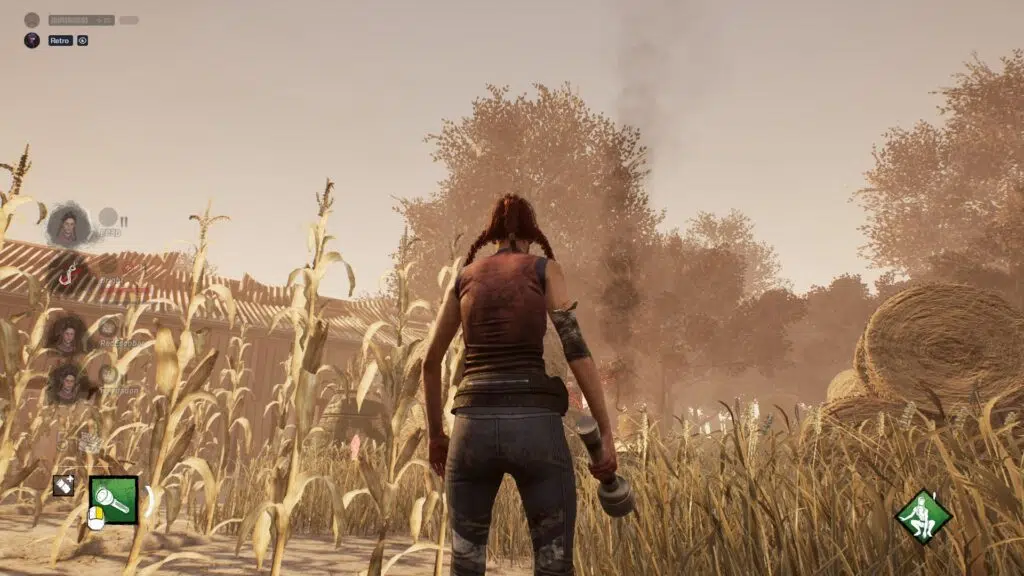
The top-tier maps in Dead By Daylight share common design principles: compact size that enables killer pressure without eliminating survivor safety, readable tile layouts that reward map knowledge and mechanical skill, structures that provide counterplay for both sides, and generator spacing that creates genuine strategic decisions about which gens to prioritize or abandon.
Coal Tower consistently receives praise from competitive players and content creators as one of the best-designed maps in the game. The map is compact enough that every killer in the roster can patrol generators effectively, but it provides enough pallet and window resources that survivors have genuine tools to work with in every chase. The central coal tower provides an interesting loop with a window that can be played by both sides depending on positioning, and the surrounding tiles use standard MacMillan structures that every experienced player can read and react to. Generator spacing on Coal Tower creates meaningful three-gen scenarios without making those three-gens unbreakable, and the exit gates spawn far enough apart that the endgame is interesting without being impossible for either side. It is the closest thing Dead By Daylight has to a perfectly balanced map.
Dead Dawg Saloon takes a different approach to map balance. The map is notably small and features tight sightlines through the western-themed buildings that give killers information and breakable walls that significantly alter the map’s loop dynamics. When a killer breaks the correct walls early, Dead Dawg becomes more open and slightly killer-favored. When a killer ignores breakable walls, survivors retain strong loops in the saloon and surrounding structures. This dynamic creates a strategic layer that most maps lack: the killer can choose to invest time breaking walls early for a payoff later in the match. The gallows area and the various short-wall loops around the map reward precise pathing from both sides. Dead Dawg slightly favors killers overall due to its compact size and strong sightlines, but the margin is small enough that skilled survivors can absolutely win matches on it consistently.
Ironworks of Misery features one of the most iconic structures in the game: the ironworks building with its elevated window loop. This window is strong for survivors and can waste significant killer time, but the surrounding tiles on Ironworks are generally fair and include enough dead zones that killers can find quick downs when survivors are caught in transition between structures. The combination of one strong building with moderate surrounding tiles creates a map where survivors need to play intelligently about when to move to the building and killers need to decide whether to commit to building chases or cut survivors off in the weaker surrounding areas. It produces strategic depth that many other maps lack.
Decimated Borgo represents the newer generation of map design that BHVR has moved toward. The map features a variety of structures with different loop types, creating a diverse chase environment where no two areas of the map play exactly the same way. The flow between structures is good, with connections that allow survivors to transition between loops without long dead zones but also without infinite chaining potential. Generator spacing rewards killers who understand which gens to protect and which to concede, and the map’s moderate size means that non-mobility killers can still function effectively. The Borgo maps in general show that BHVR has learned from past design mistakes and can produce maps that offer genuine balance and variety.
MacMillan Estate maps dominate the upper tiers because the realm’s foundational design is sound. Shelter Woods is the exception (too open and killer-sided), but Suffocation Pit, Groaning Storehouse, Coal Tower, and Ironworks of Misery all offer gameplay experiences where both sides have agency. The MacMillan tile pool includes a good mix of jungle gyms, T-walls, and L-walls that create loops with clear mindgame potential. The dark aesthetic with industrial structures provides enough visual complexity to support stealth gameplay without making tracking impossible. If every realm in Dead By Daylight played like MacMillan Estate, the game’s map balance would be dramatically better across the board.
How Dead By Daylight Maps Affect Killer And Survivor Strategy
Map knowledge changes how both sides should play from the moment the loading screen reveals which map loaded. A killer on Mother’s Dwelling needs a fundamentally different game plan than the same killer on Coal Tower. Survivors on Shelter Woods need to play cautiously in ways that would be unnecessary on Eyrie of Crows. The table below outlines how specific map traits translate into strategic adjustments for both roles.
| Map Trait | Killer Implication | Survivor Implication |
|---|---|---|
| Large Map Size | Prioritize three-gen setups early, avoid committing to long chases on far generators, use mobility perks | Spread across generators immediately, hold multiple gens simultaneously, force killer rotations |
| Dense Loops/Strong Pallets | Run chase-ending perks (Bamboozle, Spirit Fury), focus on weaker tile areas, avoid chasing into strong structures | Run to strongest structures when spotted, chain loops, drop pallets early to maintain distance |
| Weak/Absent Main Building | Patrol building area confidently, chase survivors into the building zone knowing it will not waste excessive time | Avoid relying on the building for safety, look for alternative strong tiles, play pallets conservatively |
| Indoor Layout | Use aura-reading perks to compensate for limited sightlines, play ambush-style where possible, control pallets | Use Windows of Opportunity to track pallets, listen for killer footsteps, pre-drop pallets defensively |
| Tight Generator Cluster | Identify the cluster early, defend it aggressively, use regression perks that punish grouped survivors | Knock out clustered gens first before they become a three-gen, coordinate gen pressure if in a team |
| Open Dead Zones | Zone survivors toward dead zones during chases, use exposed areas for quick downs | Avoid dead zones entirely, plan routes that stay near pallets, pre-position before the killer commits |
| Multiple Floors | Learn floor connections (stairs, drop-downs, holes), use tracking perks to pinpoint floor-specific locations | Use floor transitions to break chases, repair generators on the floor the killer is not on |
Killer strategy on large maps should center on building a defensible three-gen configuration. Walking from corner to corner chasing survivors who are spread across seven generators is a losing proposition on maps like Mother’s Dwelling or Rotten Fields. Smart killers identify three generators that are close together, protect them, and let the other four go. This concedes early generator progress but creates a defensible position for the late game where the remaining three gens can be patrolled effectively. Perks like Pop Goes the Weasel and Overcharge become especially valuable on large maps because each regression event buys more time than it would on a compact map where survivors return to generators quickly.
Survivor strategy on killer-sided maps requires patience and efficiency. On maps like Shelter Woods or Dead Dawg Saloon, survivors cannot afford to waste pallets early or take chases in dead zones. The best approach is to repair generators quickly (using perks like Prove Thyself to speed up cooperative repairs), avoid unnecessary chases by playing stealthily when possible, and save strong pallets for critical moments when the killer is committing to a down attempt. Solo queue survivors on killer-sided maps should run aura perks like Kindred and Bond to compensate for the lack of team communication, because knowing where teammates and the killer are located prevents walking into dangerous situations blindly.
Best Map Types For Different Killers And Playstyles
Not every killer plays every map the same way. A Nurse who dominates on any map because blinks ignore obstacles has a completely different map tier list than a Trapper who needs chokepoints and indoor corridors to place traps effectively. Understanding which map traits align with your killer’s power helps you decide when to use map offerings and which strategies to employ when random map selection drops you somewhere suboptimal.
| Killer/Playstyle Type | Preferred Map Traits | Struggles On |
|---|---|---|
| Mobility Killers (Blight, Hillbilly, Nurse) | Any size works, open spaces for power usage, few line-of-sight blockers | Tight indoor maps that restrict movement abilities (Lery’s for Blight, RPD for Hillbilly) |
| Stealth Killers (Myers, Ghostface, Pig) | Indoor maps, high LOS blockers, dense structures, corn/grass for approach | Open maps with long sightlines (Shelter Woods, Rotten Fields before corn) |
| Trap/Setup Killers (Trapper, Hag, Cenobite) | Small maps, tight chokepoints, limited pallet options, indoor layouts | Large maps where traps can be avoided, too many alternative paths |
| Ranged Killers (Huntress, Deathslinger, Trickster) | Open sightlines, long corridors, low walls that don’t block projectiles | Indoor maps with constant LOS breaks (Lery’s, Midwich, RPD) |
| Basic Attack (M1) Killers (Wraith, Legion, Clown) | Small to medium maps, unsafe pallets, dead zones, weak main buildings | Large maps with strong interconnected loops, powerful main buildings |
| Territorial Killers (Plague, Knight, Skull Merchant) | Tight gen clusters, small maps, areas survivors must return to repeatedly | Spread generators on large maps that defeat area denial strategies |

Mobility killers have the most forgiving map preferences because their powers compensate for size disadvantages. Blight’s rush covers ground faster than any other killer in the game, allowing him to patrol even Mother’s Dwelling with reasonable efficiency. Nurse ignores walls and pallets entirely through blinks, making her the only killer in the game who is genuinely map-agnostic at the highest level of play. Hillbilly’s chainsaw sprint covers large distances quickly, though tight indoor maps reduce its effectiveness significantly. These killers can afford to play on maps that destroy other killers because their powers negate the primary disadvantage those maps create.
Stealth killers gain their biggest advantages on indoor maps where limited sightlines let them approach generators undetected. Myers on Lery’s can stalk survivors through doorways and achieve Evil Within III without being spotted until he is already in lunge range. Ghostface can mark survivors around corners and through windows in ways that open outdoor maps do not support. Pig’s crouch becomes a genuine stealth tool on indoor maps instead of a slightly faster walk that everyone can see coming from 40 meters away on an open map.
The difference in stealth killer performance between indoor and outdoor maps is dramatic enough that experienced players consider Lery’s and The Game to be their strongest offerings in the entire pool.
Trap and setup killers need maps that funnel survivors through predictable paths. Trapper on The Game has limited areas where survivors can move between floors, making his traps far more likely to be triggered than they would be on an open map where survivors can simply walk around them. Hag’s traps gain value on any map where chokepoints force survivors to cross them during chases or when rescuing teammates from hooks. The smaller the map and the fewer alternative paths available, the stronger these killers become. Large open maps with multiple routes between any two points are their worst nightmare because survivors can simply avoid trapped areas entirely.
Recommended Perks And Loadout By Map Type
Map type directly influences which perks provide the most value. A perk that dominates on indoor maps might be useless on a large open field, and a perk that solves generator spread issues on big maps provides no benefit on tight, compact ones. The table below matches perk focus areas to map types for both killers and survivors. For a detailed breakdown of individual survivor perks and their rankings, see our dedicated perks guide.
| Map Type | Useful Killer Build Focus | Useful Survivor Build Focus | Why It Helps |
|---|---|---|---|
| Large Open Maps | Gen regression (Pop, Overcharge), Mobility perks (Discordance for info), Corrupt Intervention | Prove Thyself, Sprint Burst, gen efficiency perks | Killers need regression to offset slow rotations; survivors capitalize on spread gens |
| Small Indoor Maps | Aura reading (BBQ, Lethal Pursuer), tracking (Nurse’s Calling), Sloppy Butcher | Windows of Opportunity, Iron Will, Sprint Burst, Lithe | Killers compensate for blocked sightlines with info; survivors track pallet locations in confusing layouts |
| Loop-Heavy Outdoor | Bamboozle, Spirit Fury + Enduring, chase-ending perks | Dead Hard, Windows of Opportunity, Resilience (vault speed) | Killers need tools to shut down strong loops; survivors maximize loop value |
| Multi-Structure (Houses) | Hex: Ruin or Pain Resonance, tracking perks to avoid wasting time | Kindred, Bond, gen perks to offset time spent in chases between buildings | Multiple strong buildings mean killers need smart target selection; survivors need info on team positions |
| Balanced Mid-Size | Flexible loadouts work, standard regression + info perks | Standard chase + gen perks, no specific map adaptation needed | Balanced maps reward general skill over map-specific counterplay |
| Killer-Sided (Small, Open) | Snowball perks (Infectious Fright, Starstruck) to capitalize on quick downs | Sprint Burst, Adrenaline, Off The Record for anti-tunnel, stealth perks | Killers exploit open ground for chain downs; survivors need chase extension and protection |
On large maps, Corrupt Intervention is one of the most impactful killer perks because it blocks three distant generators at the start of the match, effectively shrinking the map during the critical early game when the killer is establishing control. Without Corrupt on maps like Mother’s Dwelling or Red Forest Temple of Purgation, survivors spread to all four corners of the map and begin working on generators the killer cannot possibly defend. Corrupt forces survivors to spawn closer to the killer’s patrol zone and buys time to find first chase before generators start popping across the map.
On indoor maps, Windows of Opportunity becomes nearly mandatory for survivors because it reveals pallet and vault locations through walls. On outdoor maps, survivors can see pallets and windows from a distance and plan their routes. On indoor maps, turning a corner and discovering there is no pallet or vault available means dying in a dead-end hallway. Windows of Opportunity prevents that scenario by giving survivors constant information about nearby resources, allowing them to plan escape routes before the killer is even chasing them. The perk’s value increases dramatically on maps where layout memorization is unreliable or where pallets spawn in non-obvious locations.
Killers on loop-heavy maps should seriously consider Bamboozle, which blocks windows after vaulting them and increases vault speed. On maps like Eyrie of Crows or Ormond where windows are the strongest survivor resources, Bamboozle transforms unsafe chases into quick downs by removing the primary resource survivors are relying on. Spirit Fury combined with Enduring creates another loop-ending combination: Enduring reduces pallet stun duration, and Spirit Fury automatically breaks the pallet after two stuns, creating situations where survivors run out of resources faster than they expect.
Solo Queue vs SWF: How Map Strength Changes By Team Coordination
The tier list above assumes competent play from both sides without specifying team coordination level, but the reality is that map balance shifts significantly depending on whether survivors are playing solo queue or in a coordinated Survive With Friends group. Some maps that feel manageable for killers against solo queue survivors become oppressive against organized teams, while other maps that feel impossible in solo queue become winnable with voice communication.
Large maps benefit from SWF coordination more than any other type. On Mother’s Dwelling, a solo queue team might accidentally stack on two generators while leaving three others untouched, giving the killer a free three-gen that decides the match. A coordinated SWF on the same map assigns each player to a specific generator, calls out the killer’s location in real time, and ensures that generators across the map receive simultaneous pressure that no killer can answer. The difference in generator efficiency between a solo queue and SWF team on a large map can easily represent a two-to-three generator advantage for the coordinated group.
Indoor maps actually narrow the gap between solo queue and SWF because voice communication provides less useful information when nobody can see the killer from a distance anyway. On Lery’s, even a SWF team often cannot provide useful callouts because the hallway layout makes it difficult to describe specific locations quickly. Solo queue survivors running Kindred (which reveals everyone’s aura during hooks) or Bond (which reveals nearby teammate auras) gain information that approaches what SWF teams have naturally, making these perks especially valuable on indoor maps for solo players.
Maps with strong main buildings become significantly more problematic for killers against SWF teams because coordinated survivors rotate into the building deliberately. A solo queue survivor might not realize the main building on Garden of Joy is the strongest structure and might loop in weaker surrounding tiles. A SWF team calls out when the killer is approaching and directs the targeted survivor toward the main building every time, maximizing the time advantage that the building provides. This coordinated building abuse is one reason Garden of Joy ranks so low on the tier list: the building’s strength is amplified when teams play it intentionally rather than accidentally.
Killer-sided maps like Shelter Woods and Dead Dawg Saloon are less impacted by SWF coordination because the map’s structural weaknesses (few strong loops, open dead zones, tight sightlines) cannot be overcome through communication alone. A SWF team on Shelter Woods knows where the killer is at all times, but knowing the killer’s position does not create pallets or windows that do not exist. These maps produce the most consistent results across all skill and coordination levels because their balance comes from physical map structure rather than information asymmetry.
Dead By Daylight Map Tips For Beginners
New players often focus on learning killer powers and perk selection while ignoring map knowledge entirely. This is a mistake. Knowing how to run a single loop correctly adds more survival time than any perk in the game. Knowing where generators tend to spawn on a map lets killers establish patrol routes faster. Map knowledge is the highest-impact skill that new players consistently undervalue.
- Learn one realm at a time. MacMillan Estate maps use the same tile pool and play similarly. Learn MacMillan first because those maps are among the most balanced and teach fundamentals that transfer to other realms.
- Run Windows of Opportunity on every survivor loadout until you memorize pallet locations. The perk is training wheels that become less necessary as your map knowledge improves, but the information it provides while learning is irreplaceable.
- As killer, walk the map at the start of the match to identify generator locations. Spending 10 seconds surveying the gen layout before committing to a chase prevents situations where you accidentally create an impossible three-gen for yourself.
- Learn what makes a pallet safe or unsafe. A safe pallet has walls on both sides that prevent the killer from lunging around it. An unsafe pallet has an open side that the killer can walk or lunge around without needing to break it. Throwing down unsafe pallets early wastes resources.
- Identify the main building on every map and learn whether it is strong or weak. If strong, survivors should gravitate toward it during chases. If weak, survivors should avoid it and use peripheral tiles instead. Killers should do the opposite.
- Practice dead zone awareness. Before running in any direction, check whether the area you are moving toward has pallets or vaults. Running into a dead zone against an experienced killer results in a guaranteed down.
- As killer, break key breakable walls early. Maps like Dead Dawg Saloon and Borgo have breakable walls that create safe loops for survivors when left intact. Breaking these walls in the first minute of the match removes resources that would have wasted your time in later chases.
- Learn floor transitions on multi-floor maps. On Midwich and The Game, knowing which holes in the floor lead where, where staircases are located, and how to move between floors efficiently is the difference between productive chases and wasted time.
| Player Type | Most Important Map Skill To Learn First |
|---|---|
| New Survivor | Pallet identification: learn to spot pallets during chases and understand which are safe vs unsafe before you need them |
| New Killer | Generator patrol routes: learn where generators typically spawn on common maps and build efficient walking paths between them |
| Intermediate Survivor | Loop chaining: learn to transition between tiles without crossing dead zones, keeping resources available for extended chases |
| Intermediate Killer | Three-gen identification: learn to read the generator layout in the first 30 seconds and decide which three gens to defend |
| Advanced Survivor | Main building optimization: learn the strongest loop patterns in every main building and when to rotate to them during chases |
| Advanced Killer | Tile reading and zoning: learn to identify which tile variant spawned and position to cut off the survivor’s strongest option before the chase begins |
The single most impactful thing a DBD beginner can do is play both sides. Killer mains who play survivor for 50 matches will immediately understand why certain loops are strong and how survivors think about routes and resource management. Survivor mains who play killer will understand why certain maps are oppressive for the other side and what generators and hooks look like from a pressure perspective. The best players at any MMR level understand both roles because that understanding informs decision-making in every chase, every generator repair, and every hook interaction.
You can also explore additional tools that help you learn map layouts faster and build game knowledge more efficiently.
Why Understanding Dead By Daylight Maps Matters
Map knowledge is the multiplier that makes every other skill in Dead By Daylight more effective. A survivor with perfect chase mechanics who runs into a dead zone wastes their skill on a preventable death. A killer with an optimal perk loadout who chases a survivor into the strongest building on the map is wasting time that a map-aware killer would never commit to. Perks, add-ons, and DBD characters provide the tools, but map knowledge determines how effectively those tools get used.
The maps ranked at the top of this list are not the maps where one side always wins. They are the maps where the better player wins. Coal Tower, Dead Dawg Saloon, and the Borgo maps create environments where knowledge and execution determine outcomes, not map-generated advantages that one side receives for free. Playing well on these maps feels rewarding because you earn your results through decision-making and mechanical skill rather than benefiting from a map that does the work for you.
The maps ranked at the bottom exist in a state where even high-level players feel powerless. An experienced M1 killer on RPD can play a near-perfect game and still lose because the map’s traversal requirements exceed what their power allows. An experienced survivor team on Shelter Woods can loop efficiently and still get snowballed because the map simply does not have enough resources to sustain chases against a competent killer. These maps produce outcomes that feel predetermined, and that is the core of what makes a map bad in Dead By Daylight: the feeling that the match was decided before it started.
As BHVR continues to rework existing maps and add new realms, the tier list will shift. The Borgo maps prove that newer map design philosophy has improved, with better tile variety, fair resource distribution, and layouts that reward reading the map rather than memorizing one overpowered loop. If future map reworks follow the same principles, maps like RPD and Midwich could eventually leave the bottom tier. Until then, understanding which maps help you and which maps work against you is one of the most valuable things you can learn in Dead By Daylight.
Dead By Daylight Maps FAQs
How many maps are in Dead by Daylight?
Dead By Daylight currently has over 35 maps spread across more than 15 realms. Each realm contains one to five map variants that share the same visual theme and tile pool but have different layouts, main buildings, and generator spawn patterns. The exact count changes as BHVR adds new maps through chapter releases and licensed content expansions. Some realms like Autohaven Wreckers and Coldwind Farm have five variants each, while licensed realms like Raccoon City and Silent Hill have one or two specific layouts tied to their source material. The total playable map pool is one of the largest of any asymmetric multiplayer game currently active.
What is the best map in Dead by Daylight?
Coal Tower from the MacMillan Estate realm is widely considered the best map in Dead By Daylight by the competitive community. It offers a compact layout that enables effective killer pressure without eliminating survivor safety, readable tile configurations that reward mechanical skill and map knowledge, and generator spacing that creates genuine strategic decisions without producing unbreakable three-gens. The central tower structure provides an interesting chase dynamic without being oppressively strong for either side. Dead Dawg Saloon and the Borgo maps are close contenders, each offering balanced gameplay that lets the better team win rather than handing advantages to either side through map design.
What is the worst Dead by Daylight map?
Raccoon City Police Station holds the title of worst map in Dead By Daylight for the majority of the player base. The map’s enormous indoor layout, multi-floor navigation, narrow corridors, and excessive complexity create traversal times that most killers cannot overcome regardless of skill level. The original single-version RPD was so universally disliked that BHVR split it into two separate variants (East and West wings) to reduce its size, but both versions still rank at the bottom of most tier lists. Midwich Elementary School and Garden of Joy compete for the second and third worst positions depending on which role you primarily play.
Are all Dead by Daylight maps balanced?
No. Dead By Daylight maps range from heavily survivor-sided (RPD, Eyrie of Crows, Mother’s Dwelling) to noticeably killer-sided (Shelter Woods, Wreckers Yard) with a smaller number of genuinely balanced maps in between. Perfect map balance is difficult to achieve in an asymmetric game because every map feature that helps one side inherently affects the other. BHVR has been working to improve balance through ongoing map reworks, and newer maps like the Borgo variants show improved design philosophy, but the overall map pool still contains significant balance disparities that experienced players recognize and plan around.
Do some maps favor killers more than survivors?
Yes. Maps like Shelter Woods, Dead Dawg Saloon, and Wreckers Yard give killers structural advantages through smaller size, fewer safe pallets, more dead zones, and tighter generator clusters. These advantages do not guarantee killer wins, but they do mean that killers on these maps have an easier time finding, chasing, and downing survivors than they would on an average map. The advantage is most noticeable for M1 killers (basic attack killers without ranged or mobility powers) who depend entirely on map structure for their chase effectiveness. Mobility killers like Blight and Nurse are less affected by map balance because their powers compensate for structural disadvantages.
What is the hardest Dead by Daylight map for beginners?
Indoor maps are the hardest for beginners on both sides. Lery’s Memorial Institute, The Game, RPD, and Midwich all require map-specific knowledge that new players simply do not have. Survivor beginners struggle to find pallets, identify safe routes, and navigate between generators without getting lost in hallways. Killer beginners struggle to track survivors through line-of-sight breaks, find efficient patrol routes, and locate hooks within carry distance of their downs.
Outdoor maps are significantly more readable for new players because pallets and windows are visible from a distance and the layout is easier to understand at a glance. New players should focus on learning MacMillan Estate and Autohaven Wreckers maps first because these outdoor realms teach fundamentals that transfer to every other map in the game.
Do map variants play differently within the same realm?
Absolutely. Within the Autohaven Wreckers realm, Wreckers Yard is the smallest and most killer-favored map while Blood Lodge is larger and provides more survivor resources. Within Coldwind Farm, Rotten Fields plays dramatically differently from Thompson House due to corn density and open field size. Within Badham Preschool, the five numbered variants each have different building placements and tile configurations that change the map’s balance. Even though variants within a realm share the same tile pool and visual theme, the specific layout, main building, and generator spawn pattern create meaningfully different gameplay experiences. Experienced players can tell which variant loaded based on the main building visible from their spawn point.
Which killers benefit most from indoor maps?
Stealth killers gain the largest advantage on indoor maps. Myers (The Shape) can stalk through doorways and build Evil Within without being spotted. Ghostface can mark survivors around corners in ways that outdoor maps with long sightlines do not allow. Pig’s crouch becomes a genuine approach tool instead of a slightly crouched walk visible from 40 meters away. The Doctor excels on indoor maps because his static field affects survivors through walls and the compact rooms concentrate his power’s radius. Hag benefits from indoor chokepoints that force survivors to trigger her traps.
On the other hand, ranged killers like Huntress, Deathslinger, and Trickster lose most of their projectile angles to constant wall blockage, making indoor maps their worst possible matchup.
How should survivors play on killer-sided maps?
On killer-sided maps, survivors need to shift from a loop-reliant playstyle to an efficiency-first approach. The priority becomes completing generators as quickly as possible, avoiding unnecessary chases, and conserving pallets for critical moments. Running Prove Thyself to speed up cooperative generator repairs compresses the time window the killer has to capitalize on the map’s structural advantages. Sprint Burst provides a free distance boost that compensates for dead zones by letting survivors reach a pallet or window that they would otherwise not reach.
Off The Record and Decisive Strike protect against tunneling, which killers on favorable maps can exploit more aggressively because quick downs give them more time to re-hook the same survivor. Stealth can be surprisingly effective on killer-sided maps because if the killer cannot find you quickly, the map’s advantages are irrelevant for the time you remain hidden.
Do map reworks change the tier list over time?
Map reworks have historically produced the largest single shifts in Dead By Daylight map rankings. The Haddonfield rework transformed the map from universally reviled to merely below average by removing the most oppressive window configurations and redesigning the house loops. The Coldwind Farm rework brought five maps closer to balance by adjusting corn visibility, reworking tile layouts, and modifying building structures. The Borgo realm additions introduced entirely new maps that immediately ranked in the upper tiers due to improved design philosophy.
BHVR has indicated ongoing commitment to map reworks as a regular content update priority, meaning the tier list should be reviewed after every major patch. Maps currently at the bottom of the rankings (RPD, Midwich) could improve substantially if they receive reworks that address their core navigation and traversal problems. The meta also shifts when new killers release, because a killer with a new power type might interact with existing maps in ways that change their balance perception. The tier list is a snapshot of the current state, not a permanent judgment.
Want the edge in Dead by Daylight?
Undetected Dead by Daylight cheats with aimbot, ESP and 24/7 support.