
Fortnite Esports is one of the most recognisable competitive gaming ecosystems in the world. What began as a casual-friendly battle royale quickly evolved into a global esport backed directly by Epic Games. Through open tournaments, massive prize pools, and a constantly shifting competitive format, Fortnite established itself as a unique force within esports.
Unlike many traditional competitive titles, Fortnite esports is defined by accessibility and constant evolution. Players are not locked behind franchise systems, and anyone with enough skill can compete in official events. Frequent meta changes ensure the competitive scene never stays stagnant, while individual mechanical skill and trio-based teamwork both play crucial roles.
This guide explains how Fortnite esports works, covering tournaments, formats, prize pools, players, teams, and how new competitors can get involved.
Major Fortnite Esports Tournaments
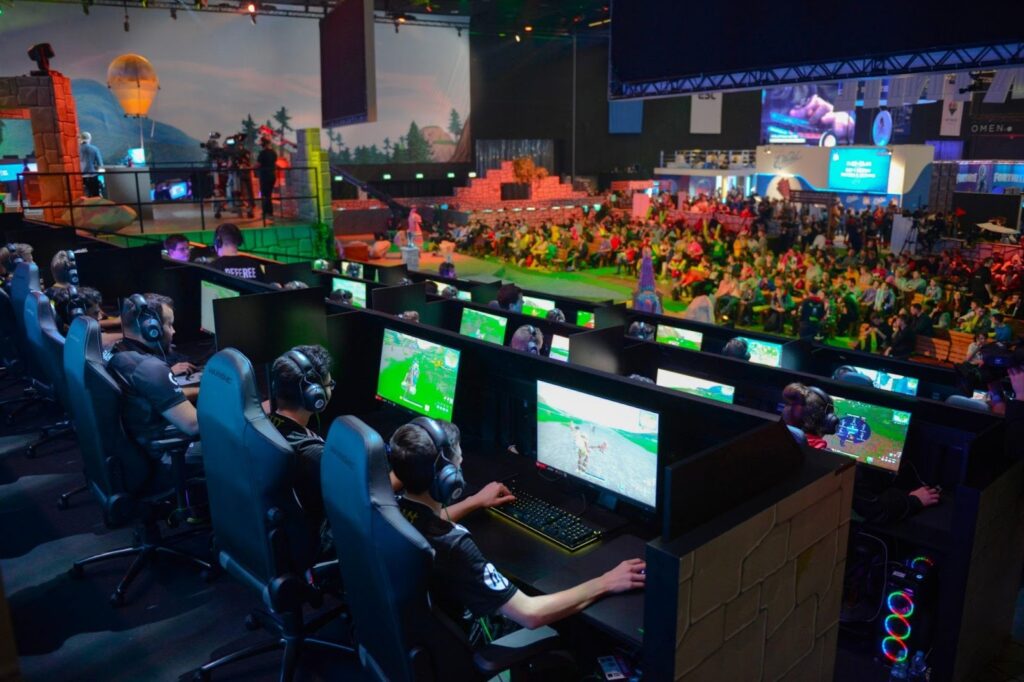
Fortnite esports revolves around a set of recurring tournaments that define the competitive calendar. Epic Games funds and organises most major events, ensuring consistent prize pools and global participation. These tournaments are designed to support both aspiring competitors and elite professionals.
The Fortnite Champion Series (FNCS) acts as the backbone of Fortnite esports. FNCS runs multiple times each year, structured around seasonal chapters. Players qualify through open rounds before progressing to finals that determine the best teams in each region. FNCS showcases Fortnite at its highest level, combining mechanical skill, game sense, and teamwork.
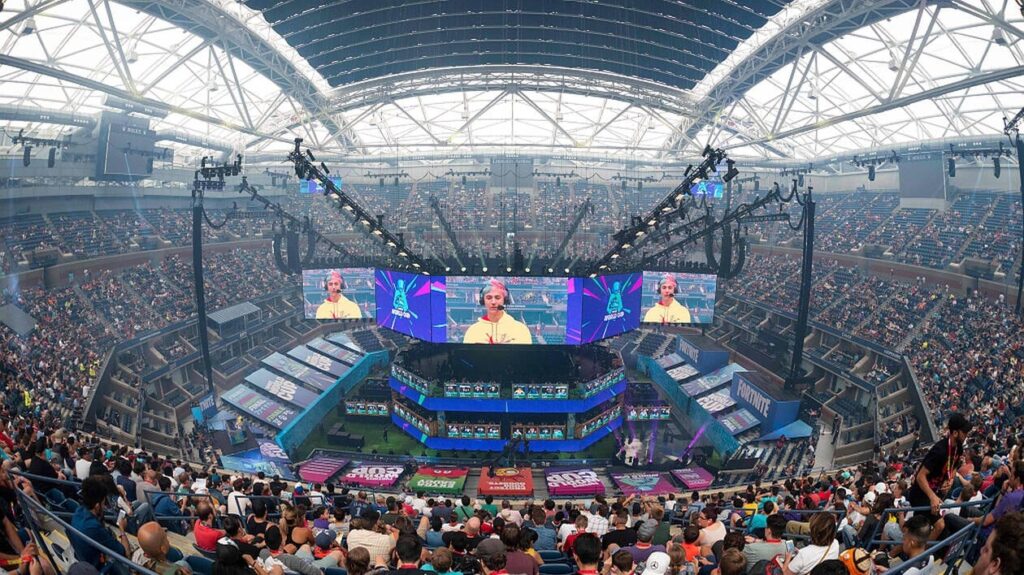
Epic Games has also hosted landmark events such as the Fortnite World Cup, which provided historical context for the esport’s explosive growth. While the World Cup is no longer an annual fixture, it demonstrated Fortnite’s ability to draw massive audiences and prize pools.
Cash Cups serve as entry-level competitive tournaments. These frequent events allow players to gain experience, earn smaller prize payouts, and test themselves against high-level competition without long qualification paths.
| Tournament | Format | Who It Is For | Prize Focus |
| FNCS | Seasonal Finals | Top competitive players | Major regional prizes |
| Cash Cups | Weekly Opens | Aspiring competitors | Small-to-mid payouts |
| Invitational Events | Invite-only | Elite players | High-level showcases |
| Community Cups | Limited formats | Casual competitors | Cosmetic or small rewards |
How Fortnite Esports Works
Fortnite esports is built around an open competitive structure. Unlike franchised leagues, Fortnite allows anyone to compete, which keeps the ecosystem fluid and constantly refreshed with new talent. Players start in open qualifiers and progress through performance-based stages.
Each competitive season follows a structured cycle. Players participate in ranked or Arena modes to prepare, then enter open tournaments such as Cash Cups or FNCS qualifiers. Consistency across multiple matches matters more than a single high placement, rewarding long-term skill rather than short-term luck.
Competition is divided by region, ensuring fair matchmaking and latency conditions. This structure supports global participation while allowing regional scenes to develop their own identities.
Fortnite Esports Prize Pools Explained
Fortnite built its esports reputation on unprecedented prize pools, particularly during its early competitive years. Events like the Fortnite World Cup showcased Epic Games’ willingness to heavily invest in competitive play.
Today, prize pools are distributed across seasonal FNCS events, regional competitions, and occasional invitationals. While the largest payouts are reserved for top-tier competitors, consistent performers can earn meaningful income across multiple events.
For new competitors, expectations should remain realistic. Fortnite esports is highly competitive, and earnings typically reflect sustained performance rather than single tournament wins. Prize distribution prioritises top placements, reinforcing the importance of consistency.
Top Fortnite Esports Players & Teams
Fortnite esports places heavy emphasis on individual star players. While teams exist, personal branding often matters more than organisational identity. Many players gain recognition through solo performances, streaming presence, and social media engagement.
Team rosters change frequently, as players adapt to meta shifts or seek better competitive opportunities. This fluidity is part of Fortnite’s identity and reflects the open nature of the ecosystem.
| Team | Best Known Player | Total Prize Money Won |
| Dignitas | Regional FNCS finalist | Multi-million USD |
| 2am Esports | Consistent EU contender | High six figures |
| Team Falcons | International presence | Multi-region success |
| Twisted Minds | Rising competitive squad | Growing prize totals |
| Team 33 | Emerging talent | Regional earnings |
Is Fortnite Still A Tier-One Esport?
The question of whether Fortnite remains a tier-one esport is frequently debated. Compared to franchised ecosystems like Valorant or CS2, Fortnite operates differently. Its open format leads to fluctuating viewership and less predictable narratives.
Despite this, Fortnite remains relevant due to its accessibility, regular updates, and strong competitive foundations. While viewership numbers vary between seasons, major FNCS events continue to draw significant attention. Fortnite’s ability to evolve without rigid league structures keeps it distinct rather than diminished.
How To Get Into Fortnite Esports
Getting started in Fortnite esports requires more than playing casual matches. Competitive Fortnite is built around structured modes, disciplined practice, and a long-term improvement mindset. While the ecosystem is open to everyone, consistent performance is what separates casual players from competitive contenders.
The first step is progressing through Ranked and Arena modes. These modes introduce competitive rule sets such as endgame rotations, resource management, and higher-skilled opponents. Regular Arena play helps players adapt to stacked lobbies and tournament pacing, which are essential for official events.
Practice routines are equally important. Competitive players focus on mechanical consistency through aim training, building edits, and movement practice, while VOD reviews help identify positioning mistakes and poor decision-making. Scrims and community-hosted practice lobbies provide valuable experience in tournament-style environments.
Mindset and consistency ultimately define progress. Fortnite esports rewards adaptability, patience, and learning from losses rather than chasing quick results. Players looking for additional structure may also turn to coaching or competitive preparation services, such as Elocarry’s Fortnite competitive offerings, to refine skills and understand tournament strategy.
Fortnite Esports vs Other Competitive Games
Fortnite esports differs significantly from other competitive titles. Its accessibility and constant evolution contrast with more rigid systems found elsewhere.
| Game | Accessibility | Stability | Skill Focus |
| Fortnite | Very High | Variable | Mechanics & game sense |
| Valorant | Moderate | High | Tactical team play |
| CS2 | Lower | Very High | Precision & strategy |
| Apex Legends | Moderate | Moderate | Team coordination |
The Future Of Fortnite Esports
Fortnite esports continues to evolve alongside the game itself. Competitive formats regularly change to reflect new mechanics, map updates, and shifting metas, which keeps the scene flexible rather than locked into a single structure. This constant evolution is one of Fortnite’s defining competitive traits.
Community-driven competition remains a key pillar of the ecosystem. Alongside official FNCS events, smaller tournaments, creator-led competitions, and regional events help sustain engagement between major seasons. This layered approach allows both rising players and established professionals to remain active throughout the year.
Epic Games’ ongoing support plays a central role in Fortnite’s longevity as an esport. Rather than committing to rigid franchised leagues, Epic continues to adapt formats based on player feedback and participation levels. While viewership and formats may fluctuate, current trends suggest Fortnite esports will remain a flexible, accessible competitive ecosystem shaped more by community involvement and seasonal updates than traditional league models.
If you’re looking for help to refine your skills, and get more victory royales, explore our range of Fortnite hacks!

Fortnite Esports FAQs
What is Fortnite esports?
Fortnite esports refers to the competitive ecosystem built around Fortnite, including official tournaments, professional players, and ranked competition.
Is Fortnite still competitive in 2025?
Yes. While formats evolve, Fortnite continues to support large-scale competitive events and active player participation.
How does FNCS work?
FNCS runs seasonal competitions with open qualifiers leading to regional finals.
Can anyone compete in Fortnite tournaments?
Yes. Most Fortnite tournaments are open, allowing anyone to participate.
Is Fortnite esports solo or team based?
It varies by season, with solo, duo, and trio formats used.
How much money can you make from Fortnite esports?
Earnings depend on performance and consistency, with top players earning significant prize money.
Do Fortnite esports players need a team?
No, but teams can provide support, practice resources, and branding opportunities.