





On this page 8 sections
Escape From Tarkov (EFT) has become one of the most immersive, challenging, and talked-about games in recent years. Developed by Battlestate Games, EFT offers a blend of realistic first-person shooter mechanics with deep survival elements that challenge even the most seasoned players. In this blog post, we’ll take a deep dive into the history and evolution of Escape From Tarkov, from its initial concept to its current position as a cult favorite in the hardcore gaming community.
Whether you’re a newcomer trying to understand the hype or a veteran looking to revisit the roots of your favorite game, this guide covers everything you need to know. You can also check out our Escape From Tarkov cheats for related tools that can enhance your gameplay.
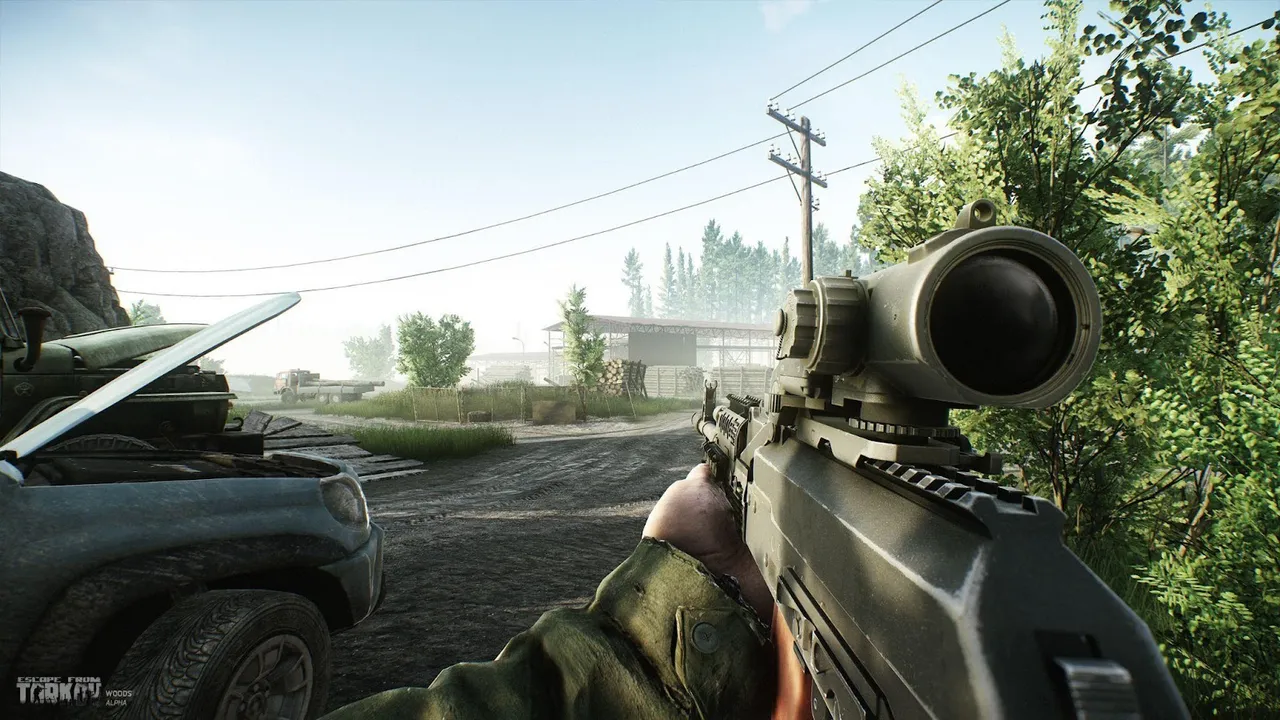
When did Escape From Tarkov come out?
Escape From Tarkov was first announced by Battlestate Games in 2015, capturing immediate attention with its unique blend of tactical FPS and hardcore survival. The anticipation grew as trailers showcased the game’s ambitious mechanics, and players eagerly awaited the first opportunity to dive in.
The first playable version arrived on 4 August 2016 with a closed alpha, allowing a limited pool of users to test early gameplay features. This stage was critical in collecting feedback on the game’s mechanics and performance. By December 2016, access had expanded, with more testers joining in what became known as the Extended Alpha.
When did the Escape From Tarkov beta come out?
The Escape From Tarkov beta came out on 27 July 2017, when EFT entered Closed Beta, significantly increasing the player base and introducing maps like Customs and Factory. This phase also saw the introduction of matchmaking and partial progress saving, bringing EFT closer to its long-term vision.
The beta lasted more than eight years. Battlestate Games released version 1.0 on 15 November 2025, and the game launched on Steam the same day alongside the BSG launcher. The first major update after launch, update 1.1 and the Kord Breach season, went live on 3 August 2026.
Release Timeline Recap:
- 2012: Development starts at Battlestate Games
- 2015: Escape From Tarkov is announced
- 4 August 2016: Closed Alpha begins
- December 2016: Extended Alpha access
- 27 July 2017: Closed Beta launch
- 2017 to 2025: Beta, with regular wipes and major content updates
- 15 November 2025: Version 1.0 release, also on Steam
- 3 August 2026: Update 1.1 and Kord Breach, the first season
The initial reception from players was mixed. Hardcore gamers appreciated the game’s attention to detail and realism, while others struggled with its steep learning curve and technical limitations. Over the years, consistent updates and community engagement have smoothed out many of these issues, transforming EFT into a flagship title for tactical shooter fans.
Early development and the vision behind EFT
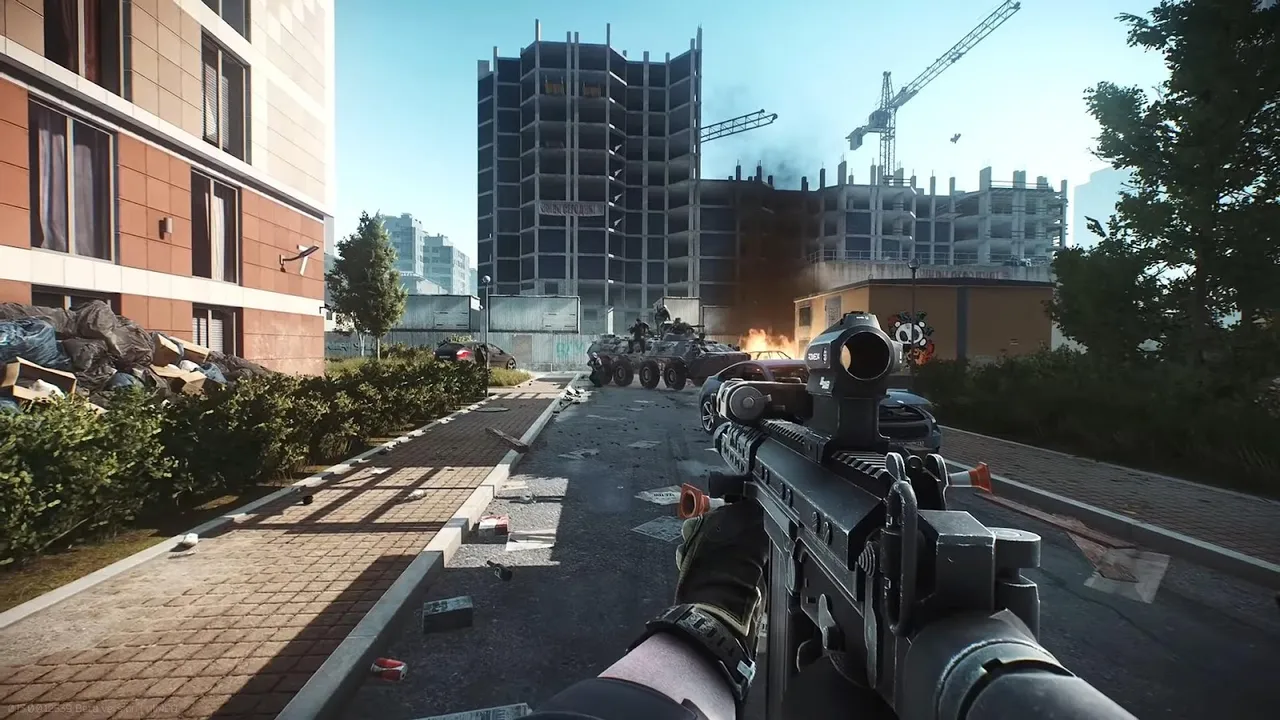
From the beginning, the developers at Battlestate Games envisioned EFT as a groundbreaking title that would redefine what a first-person shooter could be. The game was designed to emphasize immersion, consequence, and realism, elements often glossed over in mainstream shooters.
The concept was to create a gritty, war-torn world where players would engage in high-risk, high-reward raids. Every bullet mattered, every step could give away your position, and death meant the loss of all carried gear unless you were wise enough to insure it or escape in time.
Core Design Philosophies:
- Hardcore realism: No regenerating health, no radar, and punishing damage systems.
- Persistent world: Player progression and story quests carry over between raids.
- Customization depth: Extensive modular weapon modifications affect performance and utility.
The game’s setting in the fictional Russian city of Tarkov offered the perfect backdrop for such a high-stakes world. The developers drew on real-world conflicts, military tactics, and survival scenarios to build a believable and engaging universe. Inspiration also came from titles like S.T.A.L.K.E.R., DayZ, and ARMA, but EFT set out to go further in depth and complexity.
Despite early skepticism about whether such an ambitious title could be successfully executed, EFT slowly began winning over critics with its authentic gunplay, atmosphere, and continual updates.
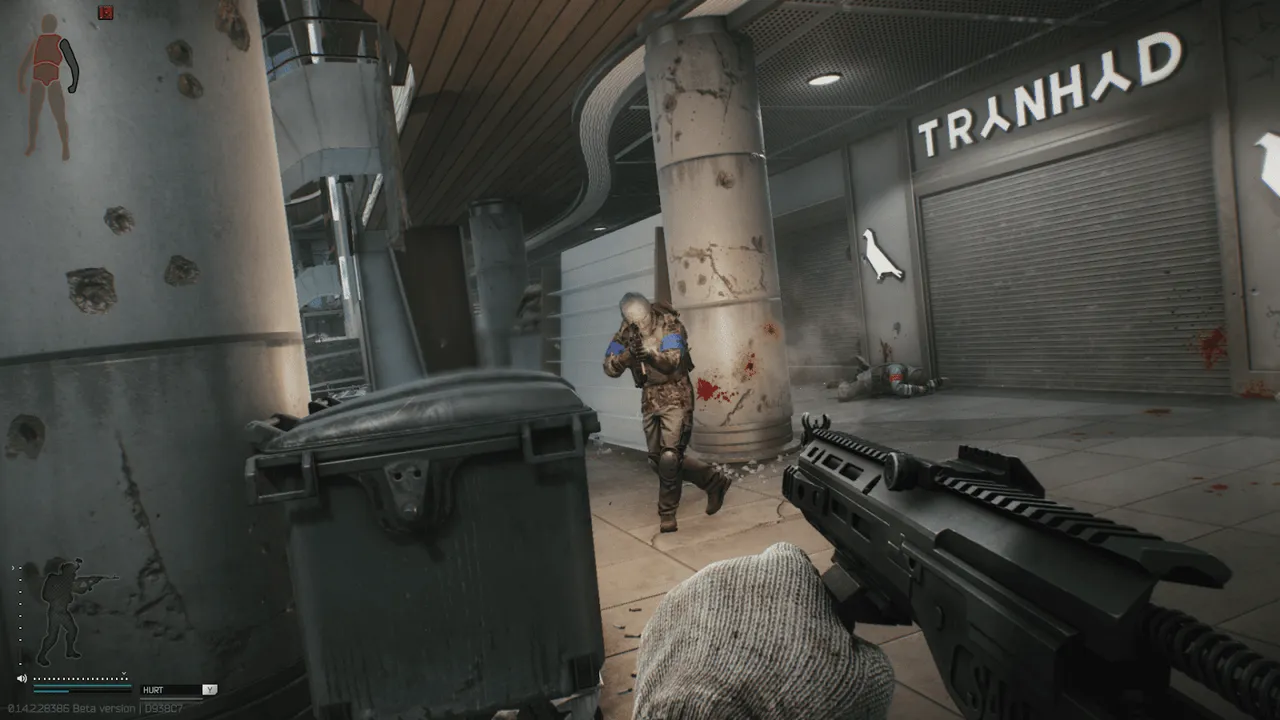
Key milestones in Escape From Tarkov history
Over its development lifecycle, EFT has seen numerous updates that have significantly changed how it’s played. These milestones are not just technical enhancements, they represent important shifts in the way players interact with the game.
| DATE | MILESTONE | DESCRIPTION |
|---|---|---|
| August 2016 | Closed Alpha | Introduction to EFT’s base mechanics, limited access for feedback collection |
| July 2017 | Closed Beta | Opened to more players, added maps like Customs, and began performance improvements |
| 2018 | Hideout Introduced | Players could manage resources and construct upgrades outside of raids |
| 2019 | Reserve Map | Featured a military base setting with top-tier loot and AI enemies |
| 2020 | Flea Market Update | Added a player-driven economy, allowing for in-game item trading |
| 2021 | Lighthouse Map | New high-risk area featuring rogue AI factions with distinct behavior |
| 2022 | Inertia Mechanics | Changed player movement to feel more weighty and realistic |
| December 2022 | Streets of Tarkov | Patch 0.13 added the Streets of Tarkov city map |
| December 2023 | Arena Closed Beta | Battlestate’s standalone, round-based PvP spin-off opened its closed beta |
| 2024 | PvE Mode | Co-op raids against AI only, with progression kept separate from PvP |
| 2024 | Unity Engine Upgrade | Enhanced performance, visual fidelity, and overall polish |
| 15 November 2025 | 1.0 Release | The game left beta and launched on Steam alongside the BSG launcher |
| 3 August 2026 | Update 1.1: Kord Breach | The first season: seasonal characters, a free Battle Pass and reworked side tasks |
Each patch not only fixed bugs but often introduced entirely new gameplay systems or lore elements. This evolving roadmap has kept players engaged and excited over the long term, ensuring that even veterans always have something new to master.
Graphics and gameplay evolution
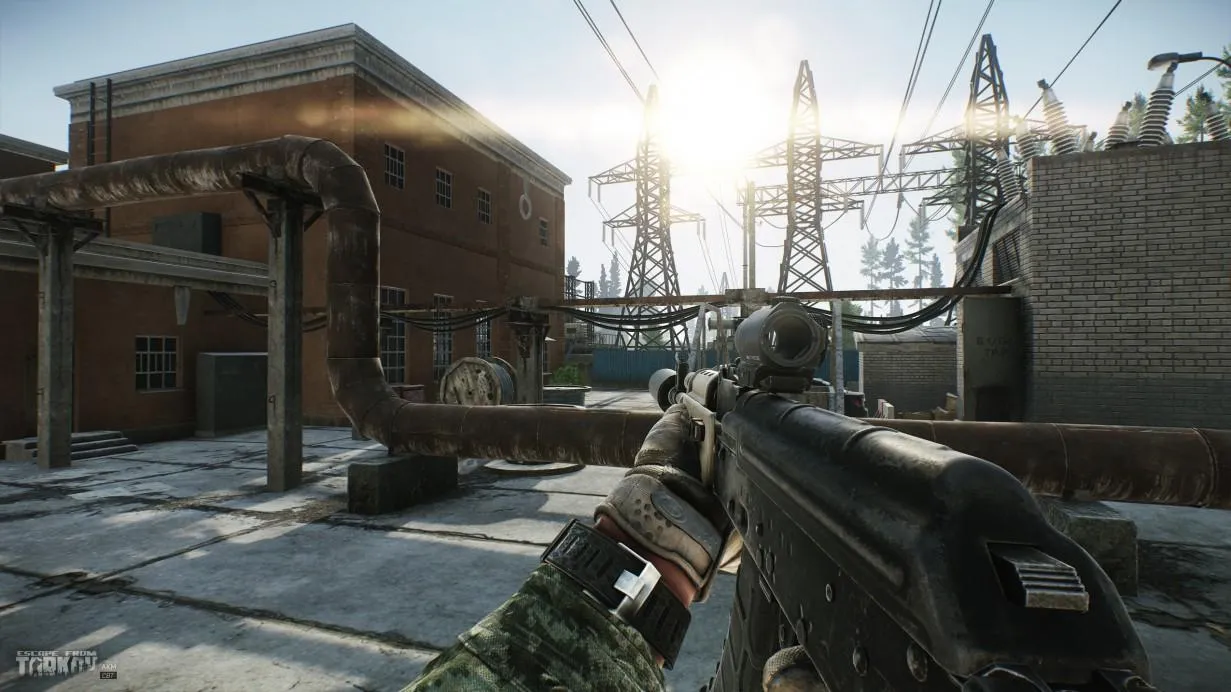
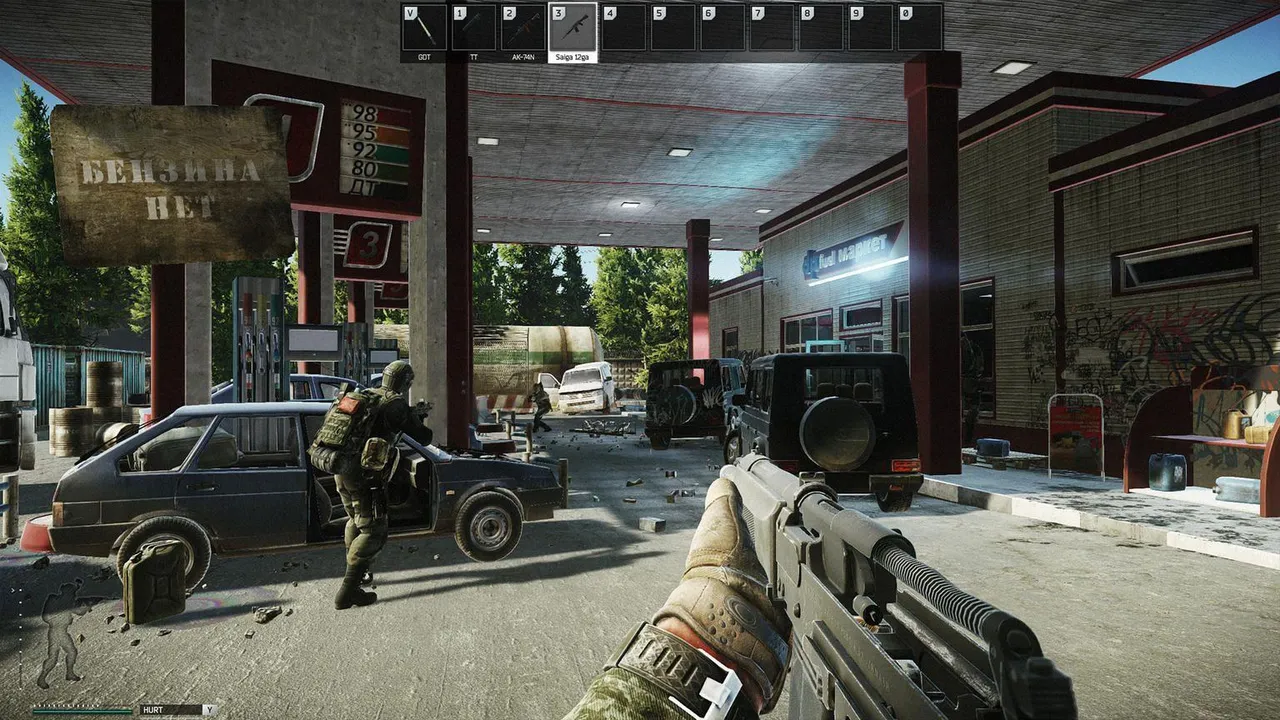
The evolution of EFT’s graphics and gameplay has been nothing short of extraordinary. What started as a rough, glitch-prone shooter with dated visuals has blossomed into a visually compelling and technically sophisticated experience.
Gameplay Refinement:
In its early versions, weapon recoil and handling felt rigid. Today, gunplay is among the most detailed in the genre, with mechanics like:
- Real-time chamber checking and reloading
- Ballistic penetration and armor values
- Malfunctions and jamming
Health and survival systems have also evolved, requiring players to manage hydration, energy, bleeding, fractures, and more. This attention to detail creates an intense decision-making environment that few other games replicate.
Visual Enhancements:
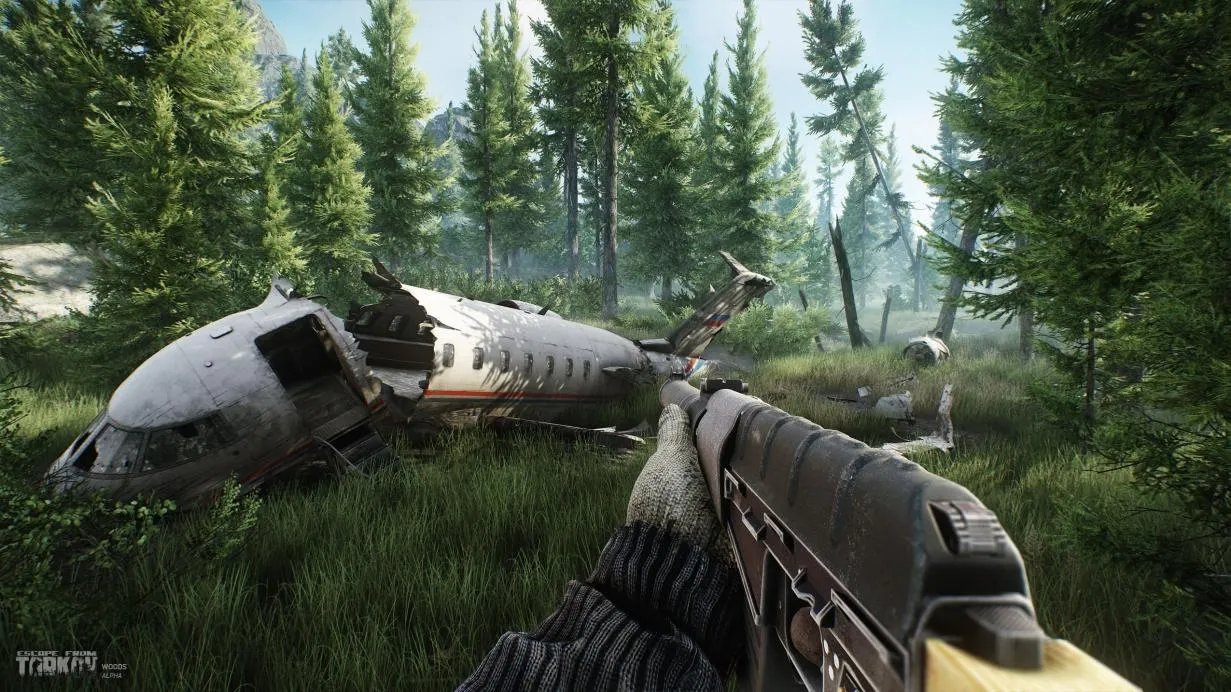
Graphics have seen a major leap with high-resolution textures, dynamic lighting, and volumetric fog. Key updates include:
- Environmental storytelling: Detailed map design tells a narrative without words.
- Weather dynamics: Rain, fog, and day/night cycles affect gameplay strategy.
- Character animations: Smoother movement and gear adjustments for immersion.
As of 2024, the Unity engine upgrade brought additional visual fidelity, load time reductions, and better support for modern GPUs. EFT not only plays better, it looks and feels like a modern, premium shooter.
The EFT Community
One of the most compelling aspects of EFT is the loyal and passionate community that surrounds it. From casual fans to hardcore streamers, the community has played a central role in shaping the game’s development.
Twitch streams, YouTube tutorials, and subreddit megathreads have all contributed to a shared knowledge base that makes onboarding new players smoother. Veteran players often create spreadsheets, economic guides, and mod tools to enhance the experience.
Key influencers and their impact:
- Pestily: Former military man turned full-time streamer; known for raising money for charity and creating in-depth tutorials.
- Klean: Formerly worked with Battlestate, offering insights into game design decisions.
- Lvndmark: Popular for high-skill PvP content and aggressive raiding tactics.
These creators have contributed to EFT’s visibility and legitimacy within the broader gaming community. They also often serve as the first point of contact for potential new players seeking advice.
Join the Elocarry community on Discord to be part of the conversation, access exclusive content, and interact with like-minded players and staff.
What’s next for Escape From Tarkov?
Looking forward, Battlestate Games continues to plan bold updates and expansions that will shape the future of EFT.
Delivered Since The Beta Years:
- Arena: the standalone PvP spin-off opened its closed beta in December 2023.
- Streets of Tarkov: the city map arrived with patch 0.13 in December 2022.
- The full release: version 1.0 shipped on 15 November 2025, also on Steam.
Seasons From 1.1 Onward:
- Seasonal characters: Kord Breach (update 1.1) put them on their own servers, separate from permanent profiles.
- A season rhythm: seasonal progression resets every four to six months, timed to a major content update.
- Permanent profiles: PvP and PvE characters are not wiped on that cycle.
Wipes have not gone away. Since 1.1 they apply to seasonal characters, so each season brings a fresh start while permanent profiles keep their progress. Our Tarkov wipe cycle explainer covers how that rhythm shapes the meta, and the Kord Breach patch notes cover what the first season changed.
What the future holds for EFT players
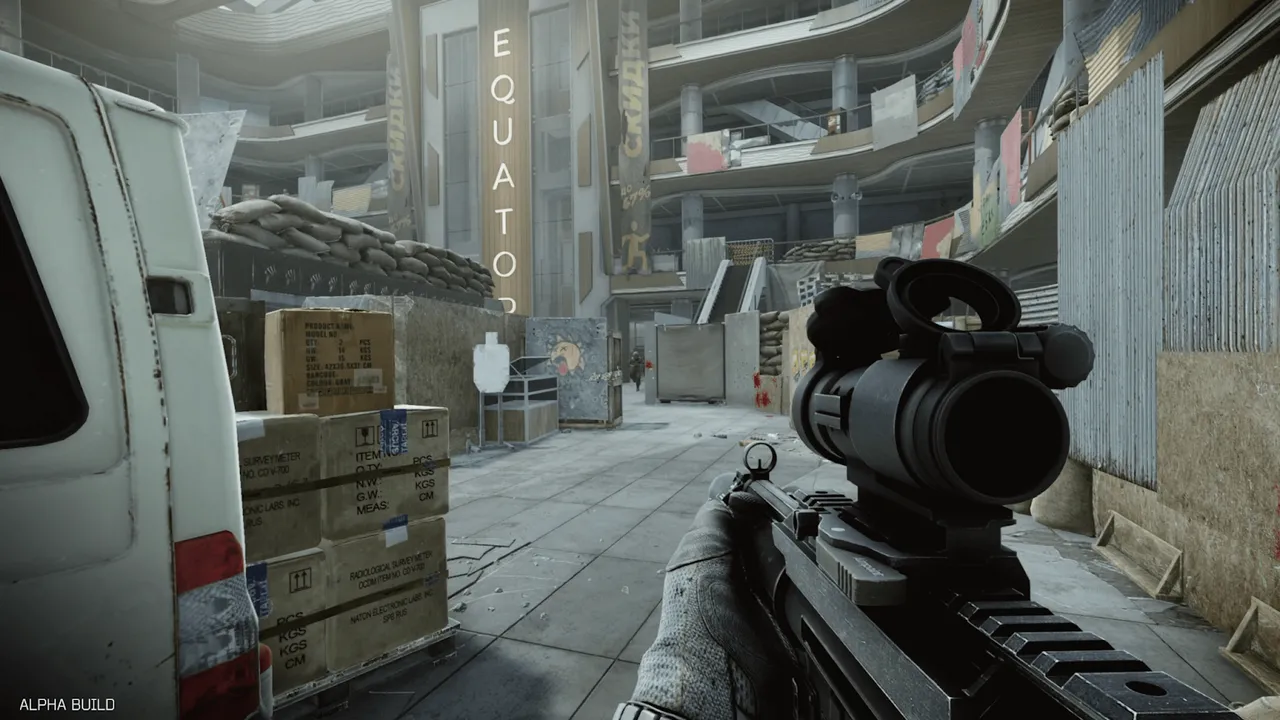
EFT’s journey is far from over. What started as a niche title has grown into a benchmark for realism in shooters. Battlestate Games has proven its ability to listen to community feedback and deliver meaningful updates.
For new players, the depth of EFT may seem overwhelming, but with the right tools and community support, anyone can find their place in Tarkov. Start by reading our Beginner’s Guide to get an understanding of gear, loadouts, and map layouts.
Veterans can look forward to more content, more challenges, and more ways to refine their play. Whether you’re grinding for Kappa or just trying to survive your next raid, EFT has endless depth.
Ready to level up your Tarkov experience? Explore Elocarry’s EFT Cheats to stay one step ahead.
Frequently asked questions
When did the Escape From Tarkov beta come out?
The Escape From Tarkov beta came out on 27 July 2017, as a closed beta. Anyone who had pre-ordered an edition of the game could play from that date, which is why most players date Tarkov's release to 2017.
When was Tarkov first released?
Tarkov was first released as a closed alpha on 4 August 2016, when it opened to a limited group of testers. Access widened in December 2016 with the extended alpha.
When did Escape From Tarkov fully release?
Version 1.0 released on 15 November 2025, ending the beta that began in 2017. It launched on the Battlestate Games launcher and on Steam on the same day.
When did Tarkov development start?
Battlestate Games began work on the project around 2012 and announced Escape From Tarkov publicly in 2015.
Is Escape From Tarkov still in beta?
No. The beta ended with the 1.0 release on 15 November 2025. Wipes continue in a new form: update 1.1 (Kord Breach, August 2026) added seasonal characters that reset each season, while permanent PvP and PvE profiles do not.
Written up from Battlestate Games' official Escape From Tarkov news. Figures and mechanics change between hotfixes, so check the source for the current wording.
Want the edge in Escape From Tarkov?
Undetected Escape From Tarkov cheats with aimbot, ESP and 24/7 support.