





On this page 5 sections
The Battlefield Universe spans more than two decades of large-scale warfare, evolving game engines, and fresh multiplayer design. It is one of the most influential FPS franchises in gaming history. Battlefield keeps pushing boundaries in scale, audio design, destruction, and combined-arms warfare. The series moves from historical battlegrounds to modern combat and even futuristic conflicts. So it works as a flexible multi-era universe rather than a single linear story. Each game adds its own themes, mechanics, and identity to the franchise.
The franchise shifts easily between eras: World War I, World War II, modern warfare, and imagined futures. This shows how well it adapts and how committed it is to fresh gameplay. Yet Battlefield keeps a steady identity built on squad play, vehicles, sandbox freedom, and large-scale objective battles. New titles like Battlefield 6 and Battlefield RedSec now join the lineup. The universe keeps growing with modern multiplayer design, changing player expectations, and long-term live-service plans.
This blog explores the full Battlefield timeline, its themes, and its individual eras. It also covers the role of Battlefield 6 and RedSec within the universe. You will get a complete view of the franchise. Along the way, the guide walks through each era’s impact, identity, and place in Battlefield’s evolving structure.
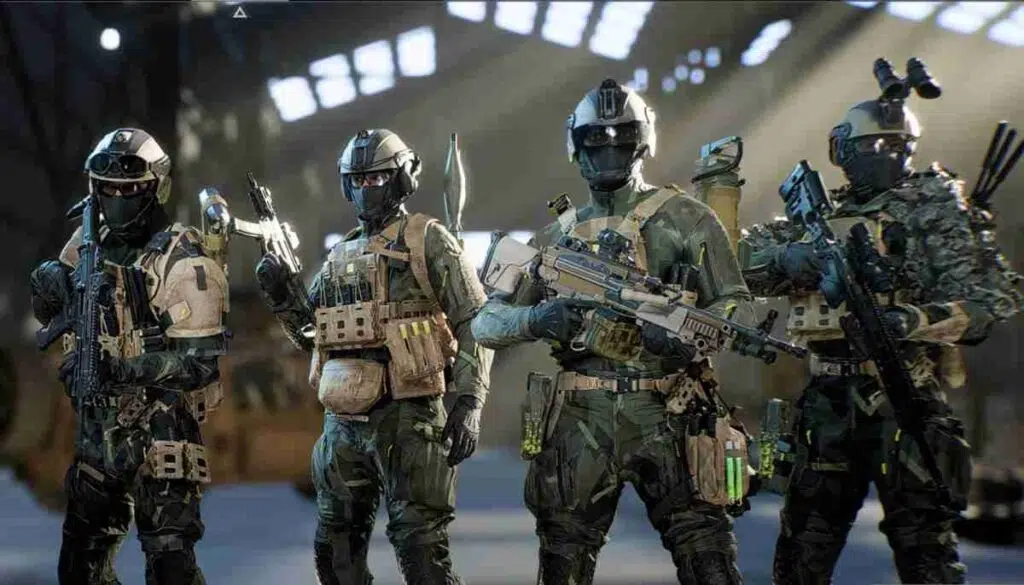
A Quick Overview Of The Battlefield Franchise
Before we dig into each era, it helps to see how the Battlefield Universe has changed over time. The table below is a quick reference to the main Battlefield games. It lists their release year, setting, and notable features. This snapshot shows the franchise’s path from its historical roots to its newest entries. That includes Battlefield 6’s modern direction and the standalone design of RedSec.
| Title | Release Year | Setting | Notes |
| Battlefield 1942 | 2002 | WW2 | Original large-scale warfare |
| Battlefield Vietnam | 2004 | Vietnam War | Expanded vehicle variety |
| Battlefield 2 | 2005 | Modern | Advanced squad system |
| Battlefield 2142 | 2006 | Futuristic | Titan mode & mechs |
| Battlefield Bad Company | 2008 | Modern | First story-driven campaign |
| Battlefield 3 | 2011 | Modern | Urban combat & Frostbite showcase |
| Battlefield 4 | 2013 | Modern | Levolution & large destruction |
| Battlefield 1 | 2016 | WW1 | War Stories narrative format |
| Battlefield V | 2018 | WW2 | Squad-focused design |
| Battlefield 2042 | 2021 | Near future | Specialists & dynamic weather |
| Battlefield 6 | 2025 | Modern | Return to series roots |
| Battlefield RedSec | 2025 | Near future BR | Standalone battle royale |
This overview shows Battlefield’s wide thematic range. It also shows how Battlefield 6 fits into the modern era. If you want to improve your Battlefield 6 or RedSec experience, you can explore Battlefield 6 cheats & Battlefield RedSec cheats.
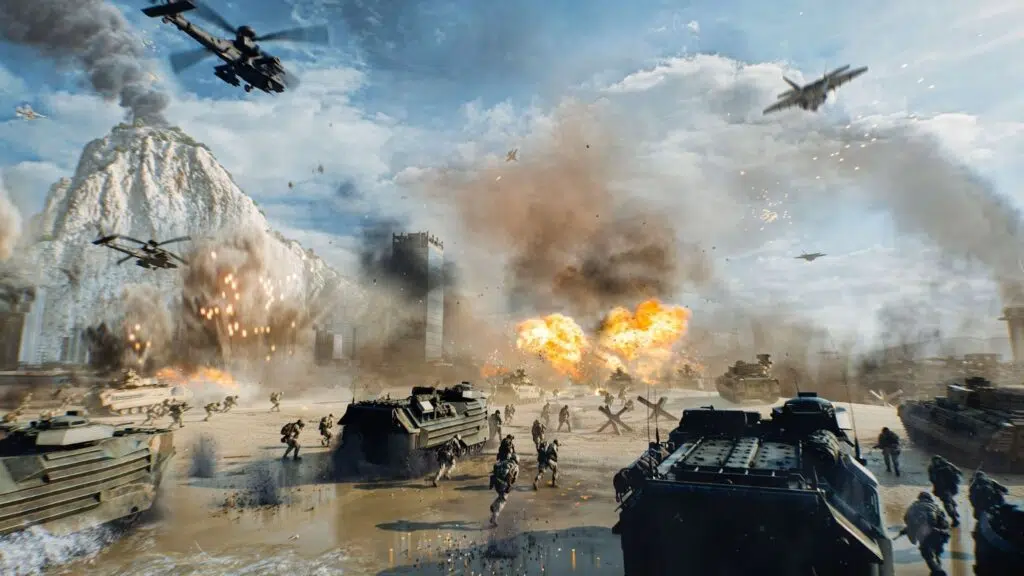
The Vision And Core Identity Of The Battlefield Universe
A few core principles hold the Battlefield Universe together across every era. A game might take place in WW1 trenches or a climate-ravaged future. Either way, Battlefield keeps a clear identity built on scale, squad cooperation, destruction systems, and vehicles. These pillars set Battlefield apart from other shooters. They also drive its lasting appeal.
One key part is large-scale warfare. Maps are huge and hold infantry, armor, air vehicles, and sometimes naval forces. This range lets players pick the role they like best. The result is a dynamic battlefield where strategies shift all the time. Combined-arms gameplay sits at the heart of the franchise. It creates memorable moments through player creativity, not scripted events.
Destruction has also been a core mechanic from the early years. It started with simple building collapses in Bad Company. It grew into the wide environmental systems in Battlefield 4 and modern Frostbite games. Destruction shapes strategy, movement, and objective control. This link between environment and player choice helps Battlefield stand out among FPS games.
Squad cohesion is another central theme. Role-based gameplay, revives, spotting systems, and resource swaps all push players to coordinate. Battlefield’s audio design completes the signature experience. The weapon soundscape, explosions, vehicle engines, and ambient sounds all add to it. Together, these elements define the Battlefield Universe across all eras.
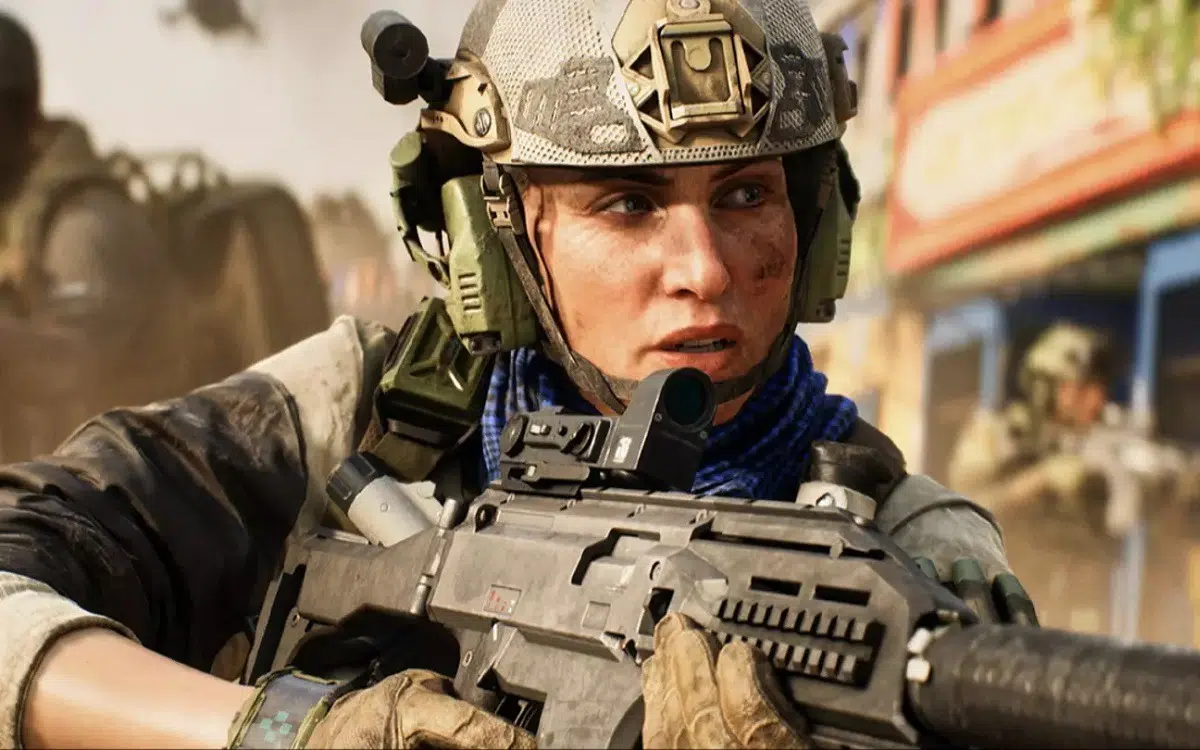
World War 1
The Battlefield Universe shows World War I mainly through Battlefield 1. This title revived interest in historical shooters. Battlefield 1 takes a grounded, human-focused approach with its War Stories anthology format. Each story centers on an individual facing extraordinary circumstances. This structure leans on emotional storytelling rather than a single hero or campaign arc.
Gameplay reflects the limits and experimental nature of early 20th-century warfare. Bolt-action rifles, prototype machine guns, slow-firing sidearms, and early tanks set a deliberate, immersive pace. Combat plays out in trench networks, open battlefields, and ruined landscapes. These settings show the brutality and chaos of WW1 while still giving players tactical depth.
Battlefield 1’s tone sets it apart in the franchise. Its focus on heroism, sacrifice, and the human cost of war creates a more reflective experience. Early tanks, biplanes, and armored cars bring historically accurate challenges and advantages. They also reinforce how authentic the setting feels. This era enriched the Battlefield Universe with narrative depth and emotional weight. At the same time, it kept the signature large-scale, squad-based gameplay.
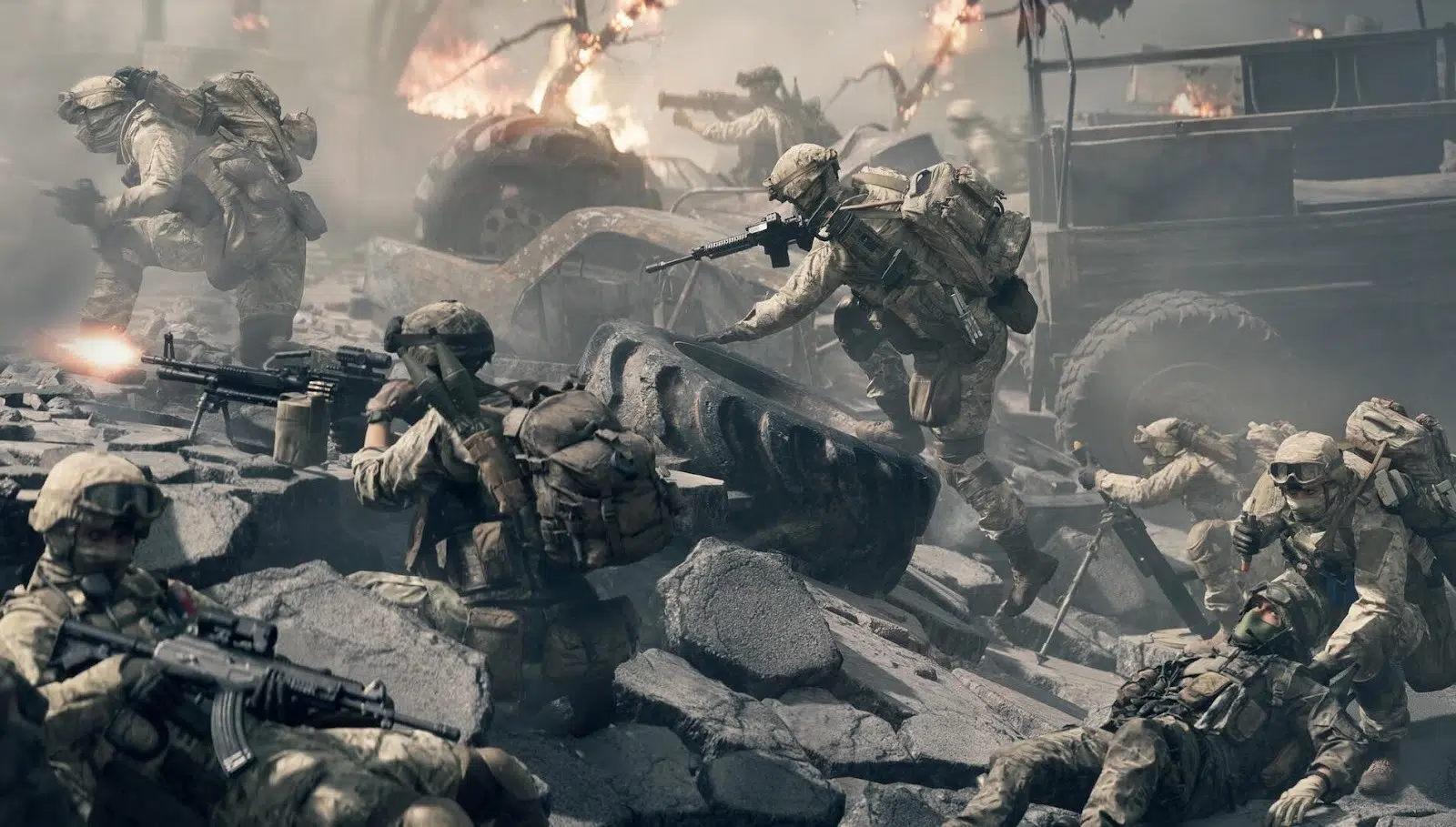
World War 2
The Battlefield Universe explores World War II through Battlefield 1942 and Battlefield V. Each game offers a different view of the conflict. Battlefield 1942 was the franchise’s starting point. It set the foundation for what the series would become. Its large maps, iconic WW2 theaters, and many vehicles, including tanks, planes, and naval vessels, defined Battlefield’s identity from the start. The game focused on combined-arms warfare, objective-based gameplay, and open-ended battles.
Battlefield V returns to WW2 with modern tech and refined mechanics. It stresses squad coordination, era-authentic weapons, and environmental immersion. Better destruction systems, tactical movement, and a strong team focus update the classic WW2 experience. The game met mixed reception early on. Still, ongoing updates improved map design, faction representation, and content depth.
Both titles matter a lot to the Battlefield Universe. They reinforce the franchise’s roots in historical conflicts while evolving its signature features. Their vehicles, weapon limits, and varied theaters shape how players view Battlefield’s take on historical authenticity and large-scale warfare.
Modern Warfare
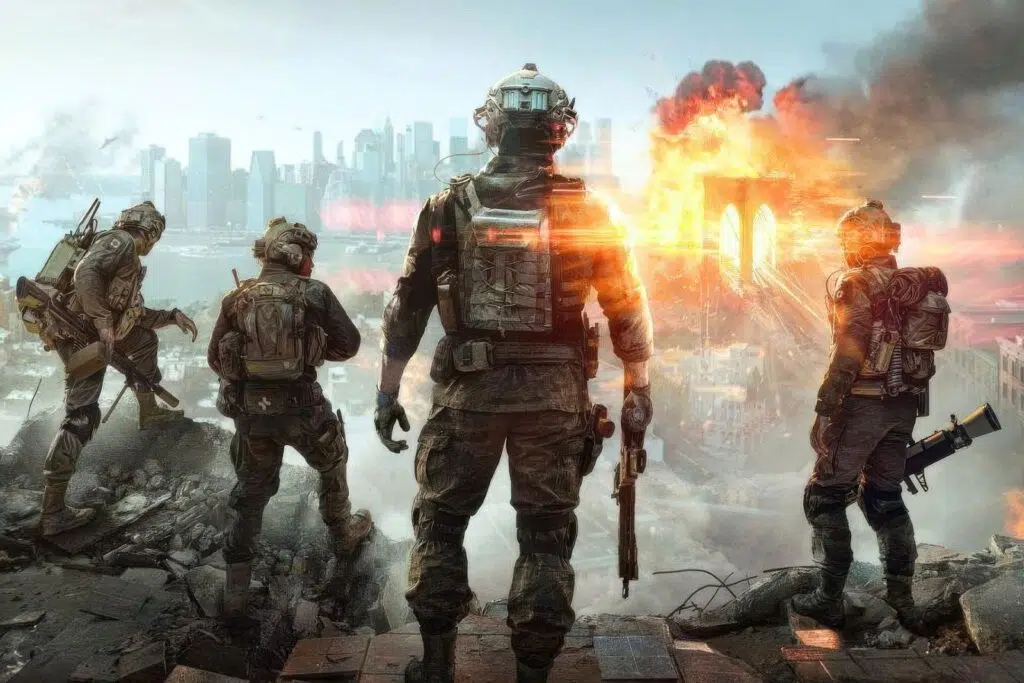
Modern warfare is one of the franchise’s most defining and popular eras. It covers Battlefield 2, Battlefield 3, Battlefield 4, and Battlefield 6. Each title brought major advances that shaped how players see Battlefield’s take on realistic, present-day combat.
Battlefield 2 laid the groundwork for the modern era. It added commander mode, squad-based tactics, and early drone-style reconnaissance. These systems brought strategic depth and coordination that few FPS games offered at the time. Battlefield 3 built on this vision with the Frostbite engine. It delivered top-tier audio and visuals, urban combat, and fluid movement.
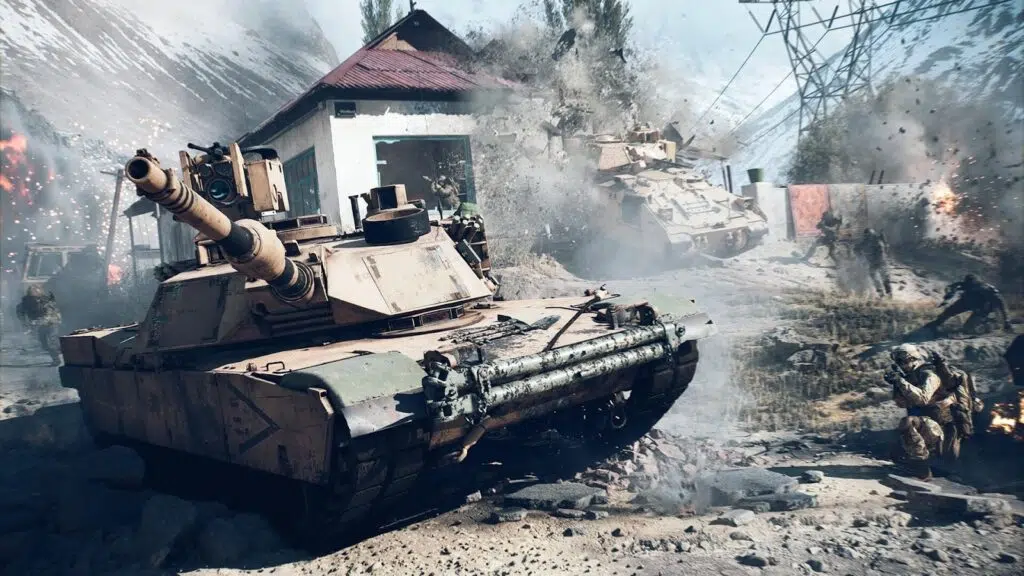
Battlefield 4 refined modern Battlefield gameplay with Levolution, naval combat, and large-scale dynamic destruction. These features changed objective flow and match strategies. It stays one of the most loved entries thanks to its balance between vehicle warfare and infantry mobility.
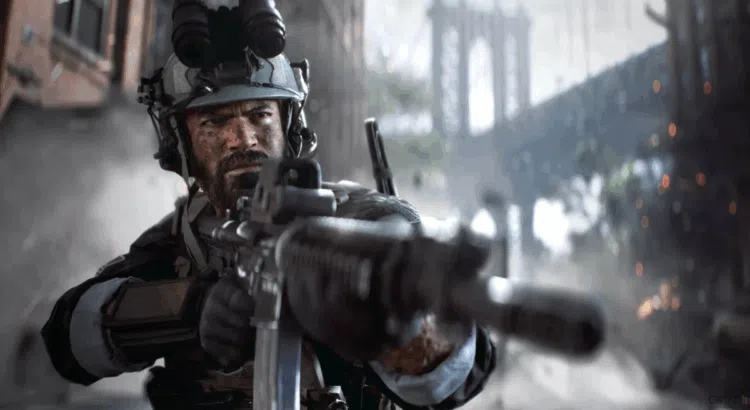
Battlefield 6 is the newest entry and continues this line. It returns to the franchise’s traditional class structure, tactical sandbox, and modern military look. It also boosts the franchise’s visibility with a strong launch. That success shows in high interest around metrics such as battlefield 6 player count, battlefield 6 active players, battlefield 6 concurrent players, and battlefield 6 player stats. These numbers reflect community enthusiasm and support long-term content development. Players who want performance advantages can explore Battlefield 6 cheats.
Futuristic Warfare
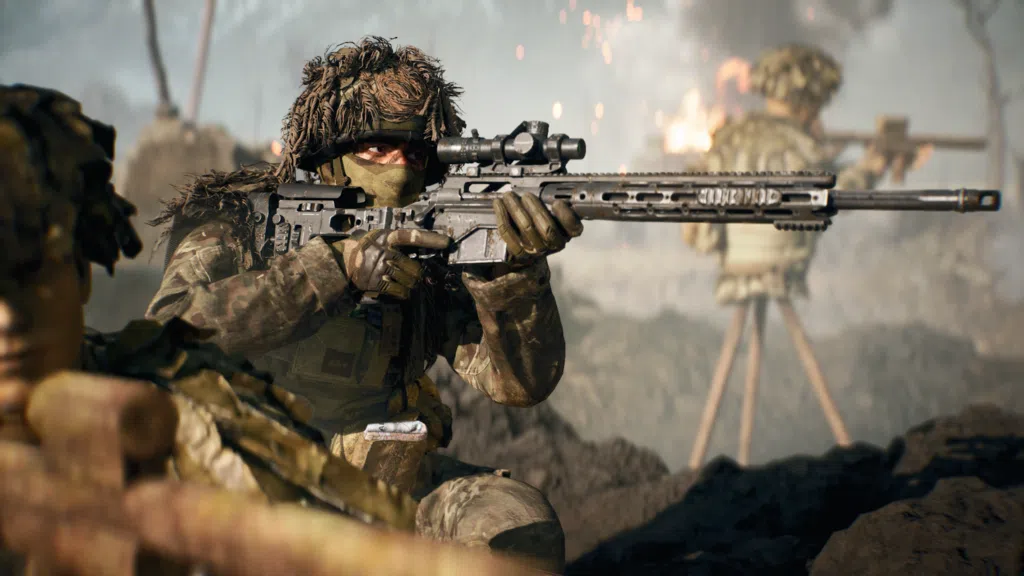
The futuristic era of the Battlefield Universe comes mainly from Battlefield 2142 and Battlefield 2042. Each one offers a different take on advanced warfare. Battlefield 2142 uses a far-future setting with mechs, Titan carriers, railgun technology, and energy-based weapons. Titan mode is one of the franchise’s most inventive game types. It blends airship assaults with ground-based objective play and leans on verticality and multi-phase strategy.
Battlefield 2042 takes a more grounded near-future approach. It draws on climate crises, geopolitical tension, and advanced military technology. The game adds autonomous drones, advanced infantry gadgets, and dynamic weather such as tornadoes and severe storms. Its Specialist system reshapes class identity with ability-driven roles. Players still share access to a common gadget pool.
Futuristic Battlefield titles bring faster movement, advanced weapons, and high-tech tools that expand what is possible. They differ from historical and modern entries in pacing, weapon variety, and the heavier use of technology-driven tactics. These elements widen what the Battlefield Universe can explore and enrich its thematic range.
Battlefield RedSec: A New Battle Royale
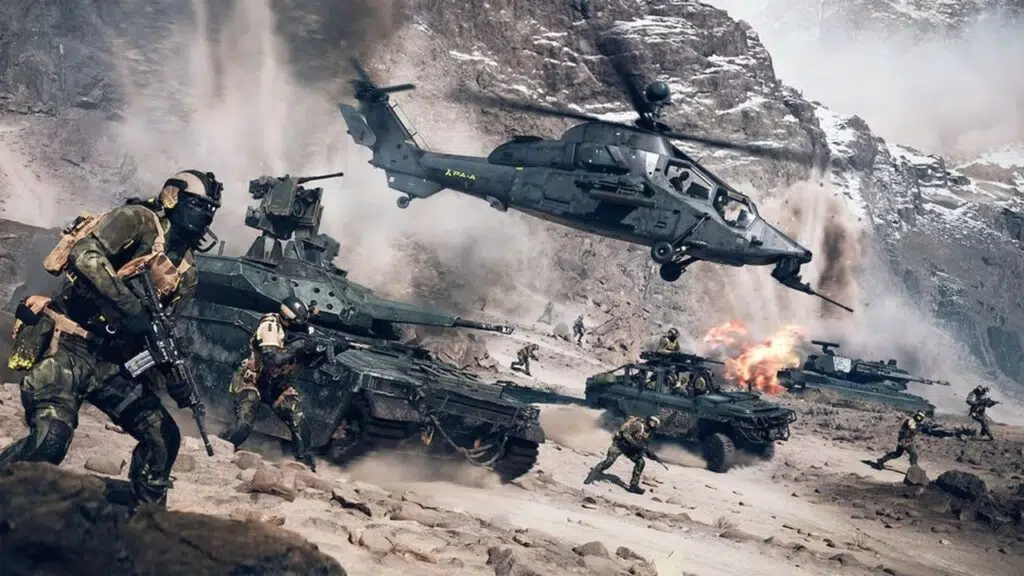
Battlefield RedSec is a standalone battle royale that sits outside the traditional Battlefield timelines. Unlike past entries, RedSec works as its own competitive ecosystem. It has its own operators, progression systems, and mobility-focused mechanics. This setup lets RedSec use Battlefield’s destructive environments while adding faster, more vertical movement and extraction-style pacing.
Operators in RedSec differ a lot from classic Battlefield soldiers. Their movement, equipment loadouts, and progression paths reward individual skill and adaptive strategies. RedSec does not rely on faction-based roles or traditional classes. Instead, it builds around unique operator abilities that shape different playstyles.
The gameplay loop centers on high-stakes fights, zone control, and quick decisions. Players upgrade equipment and move across the battlefield as they go. RedSec is separate from the mainline universe. Even so, it adds to the broader Battlefield identity through destructive systems, map variety, and a blend of tactics with high-intensity action.
Other Standalone Experiences Within The Battlefield Universe
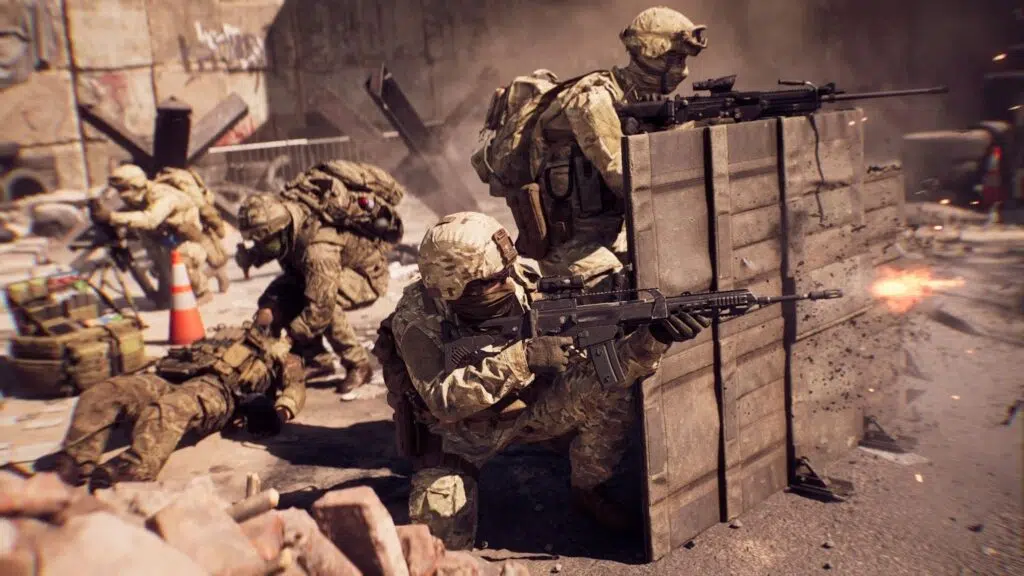
Several titles in the Battlefield Universe sit outside the main timeline but still add distinct identities. The Bad Company series, including Battlefield Bad Company and Bad Company 2, brought a more story-driven structure. It featured memorable characters, humor, and cinematic pacing. These games told smaller-scale stories. They kept the iconic destruction mechanics that define the franchise.
Battlefield Hardline takes a very different approach. It focuses on law enforcement themes rather than military operations. The game adds heist mechanics, urban settings, and episodic storytelling that feels like a crime drama. This shift in tone shows the franchise’s flexibility and its willingness to try new settings and themes.
Each of these standalone experiences widens the Battlefield Universe’s creative boundaries. They show how well the franchise adapts to new genres and storytelling styles. At the same time, they keep core principles such as squad coordination, destructible environments, and objective-driven progression.
The Future Of The Battlefield Universe
The future of the Battlefield Universe looks set on growing and refining its connected ecosystem. With Battlefield 6, the franchise has renewed its modern warfare focus. It stresses classic mechanics, large-scale battles, and long-term community support. Battlefield 6 holds steady interest, seen in talk around battlefield 6 player count and related stats. That interest helps shape ongoing development priorities.
Future support likely includes more content for Battlefield 6 and ongoing tweaks to RedSec. It also means continued work on franchise identity across its various eras. EA and DICE have signaled a commitment to broader universe-building. This opens the door to cross-title links, steady updates, and wider live-service integration.
Specific future features remain unconfirmed. Still, the general direction points to a balance. The franchise wants to honor its traditional identity while exploring new large-scale multiplayer experiences. This forward-looking approach fits community expectations and Battlefield’s long history of innovation.
The Battlefield Universe FAQs
Here are the key Battlefield Universe answers. They cover timeline order and how Battlefield 6 and RedSec fit into the franchise.
Are the Battlefield games connected?
Battlefield games are not connected by a single story. Each game has its own characters and timeline. Shared themes link the series, such as large scale combat, destruction, and military settings. But there is no one continuous narrative.
What is the Battlefield timeline?
The Battlefield timeline is a collection of eras that span from World War 1 to the far future. The series does not follow one story. Instead, each game sits in its own historical or futuristic period. Battlefield timeline in order:
- World War 1 (Battlefield 1)
- World War 2 (Battlefield 1942, Battlefield V)
- Vietnam War (Battlefield Vietnam)
- Early Modern Era - Alternative Timeline (Battlefield Bad Company & Bad Company 2)
- Modern era (Battlefield 2, 3, 4, Battlefield 6)
- Near future (Battlefield 2042)
- Far future (Battlefield 2142)
- Battlefield RedSec exists outside this timeline as a separate universe.
Do the Battlefield timelines overlap?
Battlefield timelines overlap only in era, not in story. Several games take place in similar periods, such as the modern era titles. But they do not follow the same plot. Battlefield RedSec does not overlap with the mainline timelines.
How many Battlefield games are there?
There are more than fifteen Battlefield games. These include mainline entries, spin offs, futuristic titles, and new releases like Battlefield 6 and Battlefield RedSec. The exact number depends on whether you count mobile and expansion titles.
What era does Battlefield 6 take place in?
Battlefield 6 takes place in a modern warfare era. It focuses on current day military technology, modern vehicles, and large scale combined arms battles similar to Battlefield 3 and Battlefield 4.
What is the chronological order of the Battlefield story?
The chronological order of Battlefield is based on historical setting rather than narrative links. Battlefield chronological order:
- Battlefield 1
- Battlefield 1942 and Battlefield V
- Battlefield Vietnam
- Battlefield Bad Company 1 and 2
- Battlefield 2, 3, 4, Battlefield 6
- Battlefield Hardline
- Battlefield 2042
- Battlefield 2142
Battlefield RedSec sits outside the chronological order.
What Battlefield games are in the same universe?
Battlefield games share the same franchise universe through themes, not a single storyline. Titles connected by era include:
- WW1 and WW2 games
- The modern era games (2, 3, 4, 6)
- The future era games (2042 and 2142)
Want the edge in Battlefield 6?
Undetected Battlefield 6 cheats with aimbot, ESP and 24/7 support.