




On this page 7 sections
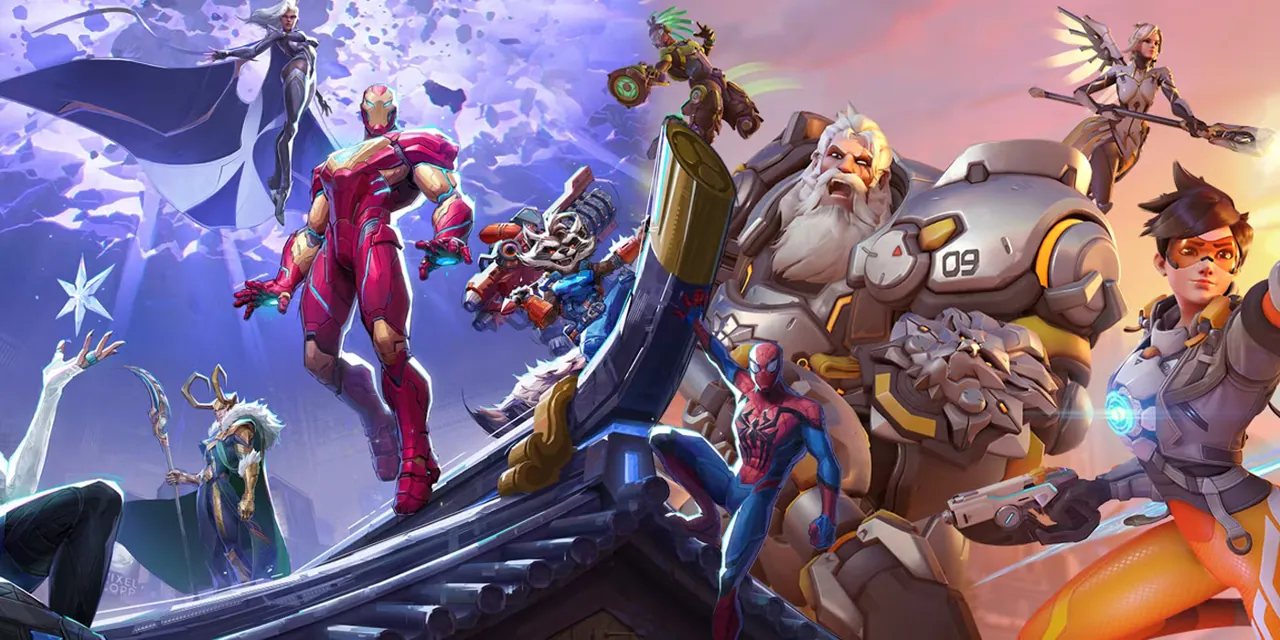
Overwatch set the template for the modern hero shooter, and for years nothing seriously challenged it. Marvel Rivals changed that when it launched on 6 December 2024. It took the same basic idea of two teams of heroes with distinct roles fighting over objectives, then rebuilt it around the Marvel universe, a third-person camera and six-player teams.
If you are choosing between the two, or deciding whether to switch, the short answer is that they reward different things. This guide gives the verdict first, then a side-by-side table, then the differences that actually change how a match feels.
Free Marvel Rivals tools: Plan smarter line-ups with our free Team Builder to score role balance and Team-Up synergy, or see who’s on top right now in the Marvel Rivals Tier List.
The Verdict: Marvel Rivals or Overwatch 2?
Choose Marvel Rivals if you like big, messy team fights, want to play characters you already know from the comics and films, and prefer seeing your hero on screen. Six players a side means more abilities flying around and less weight on any one mistake.
Choose Overwatch 2 if you want precise first-person aim, smaller teams where every player’s impact is obvious, and a ranked mode with a long history behind it. Five players a side makes each fight more readable and each misplay more costly.
Both games are free, so the real cost of trying either is a few evenings.
Marvel Rivals vs Overwatch 2: Side-by-Side Comparison
| Marvel Rivals | Overwatch 2 | |
|---|---|---|
| Developer | NetEase Games, with Marvel Games | Blizzard Entertainment |
| Released | 6 December 2024 | 4 October 2022 (Overwatch: 2016) |
| Price | Free to play | Free to play |
| Platforms | PC (Steam, Epic), PS5, Xbox Series X|S | PC (Battle.net, Steam), PlayStation, Xbox, Nintendo Switch |
| Camera | Third-person | First-person |
| Team size | 6v6 | 5v5 |
| Roles | Vanguard, Duelist, Strategist | Tank, Damage, Support |
| Signature system | Team-Ups between specific heroes | Role Queue and per-hero balance |
| Maps | Partly destructible | Static |
| Cast | Marvel heroes and villains | Original characters |
| PC anti-cheat | NetEase’s NEAC | Blizzard’s in-house anti-cheat |
Gameplay Differences
Heroes and Abilities
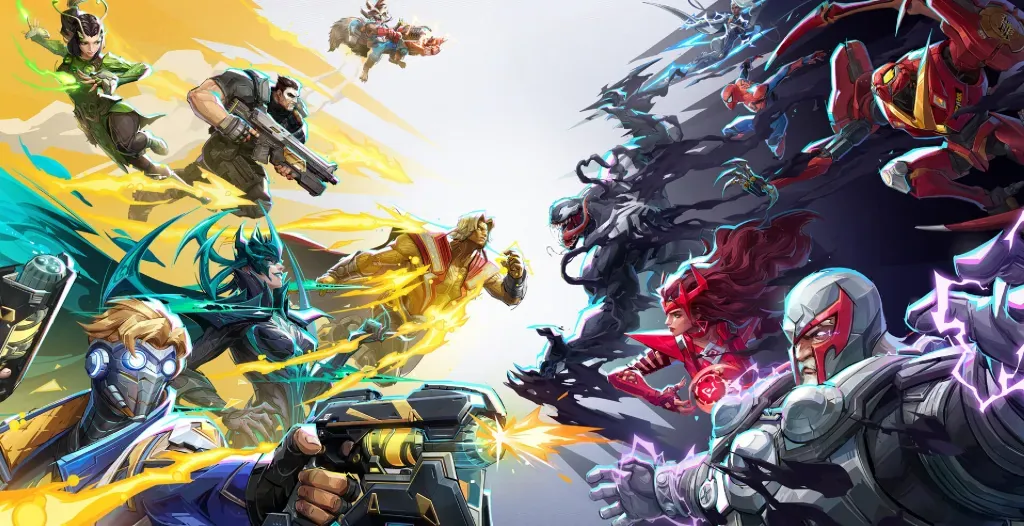
Marvel Rivals builds every kit around who the character is. Spider-Man swings, Hulk smashes, Doctor Strange opens portals, and the fun comes from seeing those powers collide in a fight. The roster is split into Vanguards, Duelists and Strategists, and our Marvel Rivals character guide walks through each role.
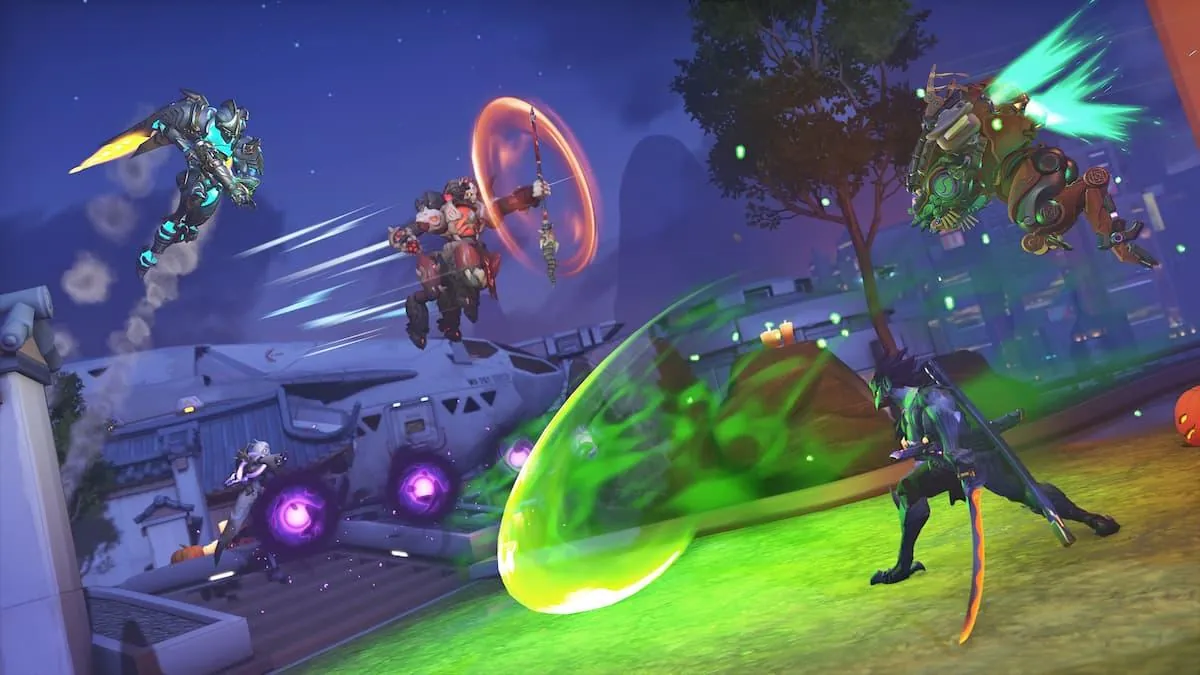
Overwatch 2 uses an original cast designed from the ground up for balance. Tank, Damage and Support each have a clear job, and Blizzard tunes individual heroes every season so that no single pick dominates for long. The heroes have less built-in recognition, but their kits are tighter and easier to read at a glance.
Team Size and Strategy
Marvel Rivals plays 6v6. The extra player on each side means more overlapping abilities, longer fights and more room for one player to have a bad round without losing it for the team. Team-Ups add another layer: certain heroes gain bonus abilities or buffs when paired, which pushes teams to build around combinations rather than individual picks. Our Team-Ups explained guide covers how they change comp building.
Overwatch 2 cut each team to five players at launch, with one tank instead of two. That made individual play more visible. A tank who misplays leaves the team exposed, and a support who dies first often loses the fight. Role Queue keeps compositions predictable, so the game is decided by positioning, cooldown timing and aim. If you play that role, our piece on why Support is the most misunderstood role in Overwatch goes deeper.
Camera and Aim
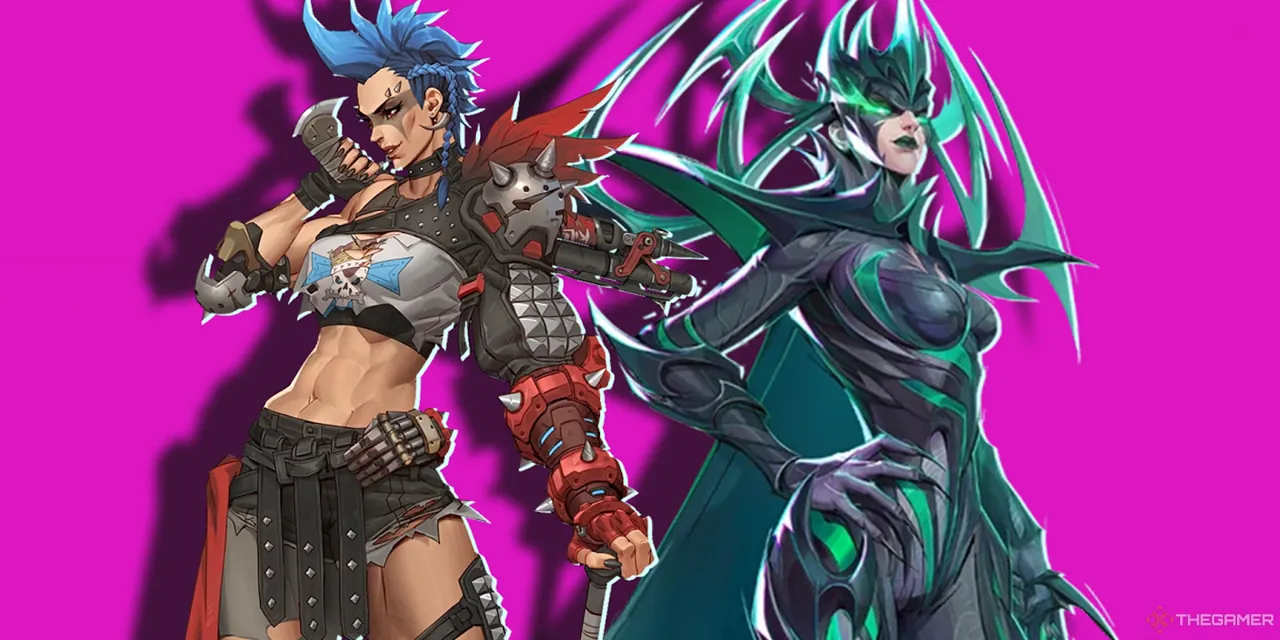
This difference is easy to overlook and it changes everything. Marvel Rivals is third-person, so you see your hero, the space around them and threats coming from the side. That makes movement-heavy heroes easier to control and gives you more information than a first-person view would.
Overwatch 2 is first-person. Aim and crosshair placement matter more, and players coming from Counter-Strike, Valorant or Call of Duty tend to feel at home quickly. If you move from one game to the other, expect a few sessions of adjustment. Our Marvel Rivals best settings guide includes how to carry your Overwatch sensitivity across.
Maps and Destruction
Marvel Rivals lets you break parts of the map. Walls, cover and platforms can be destroyed during a match, so a safe angle in the first fight may be gone by the third. You have to adapt to a battlefield that changes as you play.
Overwatch 2 maps stay the same from start to finish. They are built around chokepoints, flank routes and high ground, and learning them well is a big part of climbing. Static maps make the game more predictable, which suits players who like to study and refine.
Overwatch 2 vs Marvel Rivals: Who Each Game Suits
Marvel Rivals: For Spectacle and Synergy
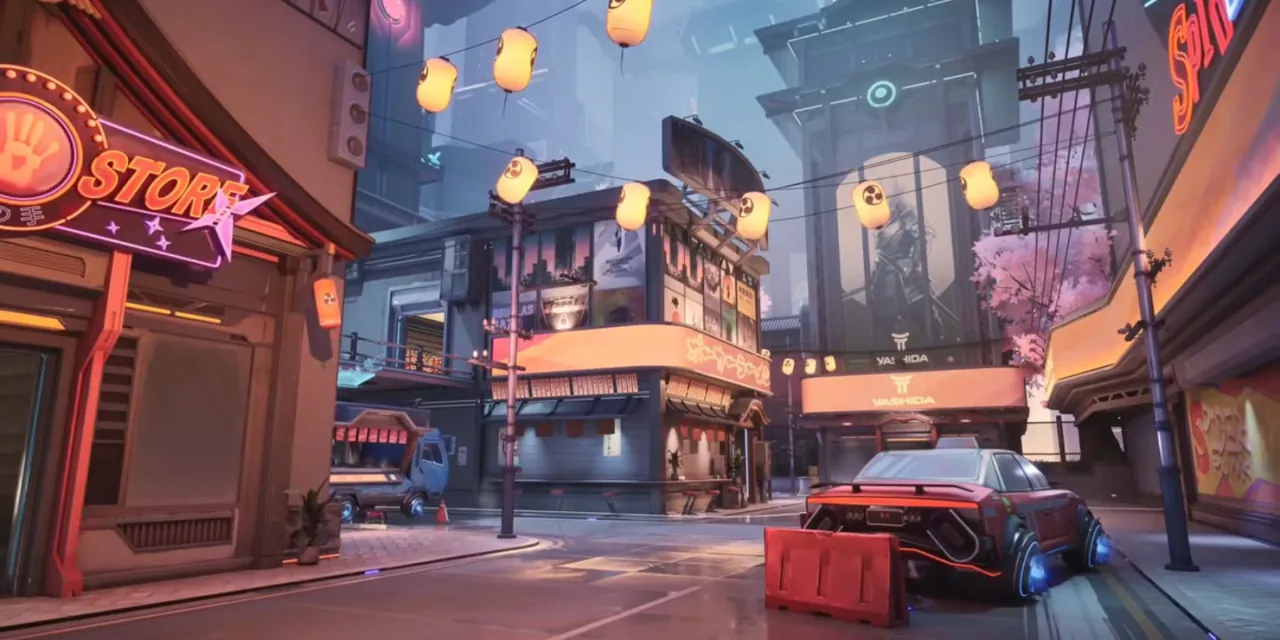
Marvel Rivals is the better fit if you want a hero shooter that feels like a comic book fight. Big ultimates, destructible cover and Team-Ups make every match a little different, and the six-player format is more forgiving while you learn.
Best for players who enjoy:
- Playing Marvel characters with powers true to the source material.
- Large, chaotic team fights where combinations matter.
- A third-person view that shows more of the action.
Overwatch 2: For Structured Competition
Overwatch 2 is the better fit if you want a sharper competitive game. Its five-player format, Role Queue and regular balance passes create a readable meta that rewards mechanics and game sense. It also has years of ranked play, coaching content and esports behind it, so there is no shortage of ways to improve.
Best for players who enjoy:
- Defined roles with clear responsibilities.
- First-person aim and high individual skill expression.
- Ranked play inside a mature competitive scene.
Ranked Play and Cheating
Both games run seasonal ranked modes with tiered ranks, and both reset or adjust ranks over time. Marvel Rivals’ system has its own rules on which ranks can group together, explained in our Marvel Rivals ranking system guide.
Cheating exists in both, as it does in any popular free-to-play shooter where a banned account costs nothing to replace. Marvel Rivals uses NetEase’s own NEAC anti-cheat on PC, which our Marvel Rivals anti-cheat explainer breaks down. Overwatch 2 relies on Blizzard’s in-house protection and regular ban waves.
Can You Play Both?
Plenty of players do. The skills overlap more than the camera suggests: knowing when to use cooldowns, when to commit to a fight and how to play around enemy ultimates carries over directly. Many players keep Overwatch 2 for ranked and use Marvel Rivals for looser sessions with friends, or the other way round.
The best test is simple. Both games are free, so play a handful of matches in each and see which one you open again the next day. If you want an edge once you have picked, we offer cheats for Marvel Rivals and cheats for Overwatch 2 as well.
Frequently asked questions
Is Marvel Rivals better than Overwatch 2?
Neither is better for everyone. Marvel Rivals suits players who want spectacle, big team fights and Marvel characters. Overwatch 2 suits players who want precise first-person aim, smaller teams where each player matters more, and a more established competitive structure.
Is Marvel Rivals just a copy of Overwatch?
They share a genre and a role system, but they play differently. Marvel Rivals is third-person and 6v6 with Team-Up abilities and destructible map sections. Overwatch 2 is first-person and 5v5 on static maps, with a Role Queue that fixes each team's composition.
Is Marvel Rivals 6v6 and Overwatch 2 5v5?
Yes. Marvel Rivals is built around six-player teams. Overwatch 2 moved from 6v6 to 5v5 at its 2022 launch, cutting each team to one tank, two damage and two support players in Role Queue.
Are Marvel Rivals and Overwatch 2 free to play?
Yes. Both are free to play and make money from battle passes and cosmetics, so you can try both before deciding.
Which is better for beginners, Marvel Rivals or Overwatch 2?
Marvel Rivals is usually easier to enjoy early. The third-person camera shows more of the fight, six-player teams spread out the pressure, and many heroes are simple to pick up. Overwatch 2 rewards aim and positioning more directly, so mistakes are more visible.
Can you play Marvel Rivals and Overwatch 2 on console?
Yes. Marvel Rivals is on PC, PlayStation 5 and Xbox Series X|S. Overwatch 2 is on PC, PlayStation, Xbox and Nintendo Switch.
Want the edge in Marvel Rivals?
Undetected Marvel Rivals cheats with aimbot, ESP and 24/7 support.